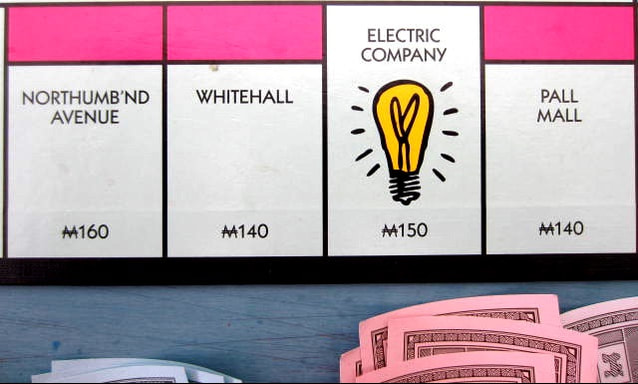
 Where is it? Like a large number of the properties on the Monopoly board, Whitehall and Northumberland Avenue are both in Westminster, and as they’re slap bang next to each other, have covered them both in one sitting. They’re actually pretty much as close to central London as you can get as they both meet at the roundabout at the south end of Trafalgar Square, which is officially the centre of London. Whitehall runs south from Trafalgar Square, morphing in to Parliament Street before reaching Parliament Square (although on my map, I’ve called the whole thing Whitehall). Northumberland Avenue has a similar starting point and cuts south easterly for about 350 metres towards the River Thames. 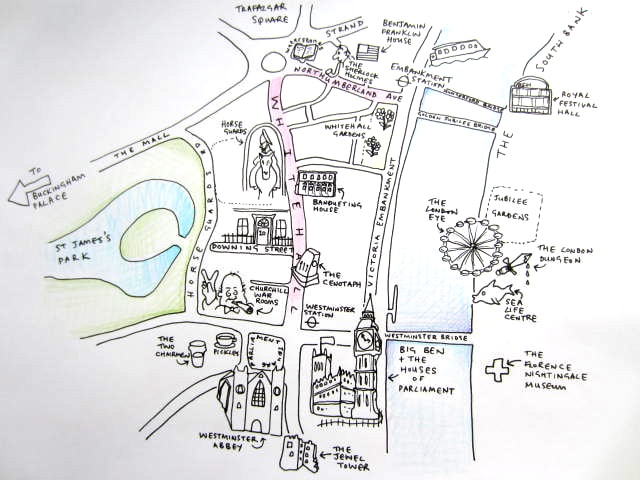 What’s the Story? Whitehall takes its name from a 16th century palace originally built by King Henry VIII’s Lord Chancellor; Cardinal Wolsey, on the site of York Place. When Henry VIII removed Wolsey from power in 1530 he took the liberty of acquiring the palace, changing the name to Whitehall (thought to be the colour of the stone), from which point on it became a Royal Palace, used by subsequent Monarchs until it burned down in 1698. Over the years it grew considerably, boasting some 1500 rooms and was one of the largest palaces in Europe. The Royal Court moved away and gradually, the area became populated by government buildings to such an extent that ‘Whitehall’ is now a byword for government. Northumberland Avenue was in the 17th century the grounds of a large mansion built at the beginning of the century for Henry Howard (1st Earl of Northampton) and in 1642 became Northumberland House when the wonderfully named Algernon Percy (10th earl of Northumberland) married one of Howard’s distant relatives and moved in. In the late 19th century, the house was demolished to make way for the avenue that exists today, largely lined with super duper hotels. How do I get there? As both Whitehall and Northumberland Avenue are situated in the centre of London, you have no shortage of transport links. There’s an entrance / exit to Charing Cross Underground station at the north end of Whitehall / Trafalgar Square, but Embankment and Westminster Underground Stations are just a few minutes away. What’s it like now? Much of Whitehall is dominated by government buildings of one sort or another such as the MOD and the Cabinet Office. You’ll also pass Horse Guards and Downing Street and probably find yourself fighting through crowds of tourists and kids on school trips. Northumberland Avenue is perfectly nice, if not a little bland. You’re more likely to walk down it en route to somewhere else. Where would I stay? My suggestions are always based on places I’ve actually been to, generally to pick people up who have booked me for a private tour. Being the kind of area that it is, you’re unlikely to find much budget accommodation. Nestling in between Whitehall and Northumberland Avenue you’ll find the Royal Horseguards Hotel and the Corinthia London, both luxury hotels. On Northumberland Avenue itself you’ll find the Club Quarters Hotel, Citadines Trafalgar Square and The Grand at Trafalgar Square, whilst heading towards Big Ben and Parliament Square you have the London Marriott Hotel County Hall and the Park Plaza, Westminster Bridge. Both of these last two suggestions are on the south side of Westminster Bridge. If you’re looking for something close to Westminster Abbey, then just by St James’s Underground Station are St Ermin’s Hotel and Conrad London St. James and for those looking for something a bit kinder on the wallet, then I’ve also been to the Hub by Premier Inn, London Westminster. 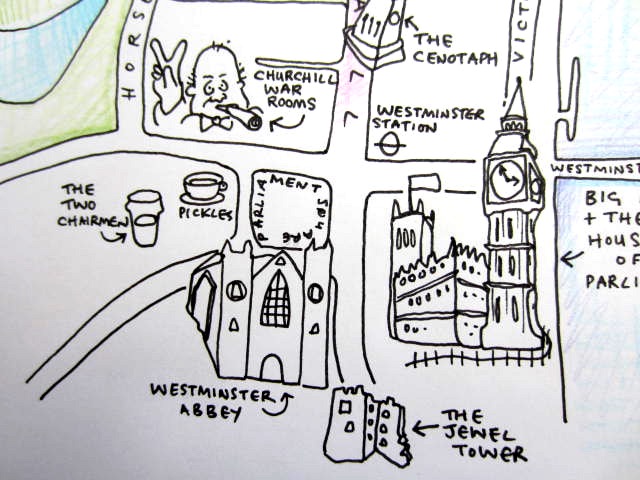 What’s of Interest? How long have you got? Horse Guards A mid 18th century stables for the Household Cavalry (or Queen’s Life Guard) who still stand guard each day between 10am and 4pm. They’re also the only ceremonial guards left standing where tourists can actually have their photo taken with them, and as such are guarded by armed Police. That’s right; the guards are guarded by guards. They do their own ‘change’ each morning, separate to the more famous ‘Changing The Guard’ at Buckingham Palace, and if you get there at 4pm you can watch the final inspection. Household Cavalry Museum If you walk through the courtyard, under the arch on to Horse Guards Parade, then the Household Cavalry Museum is on your right, and as you’d expect, explains the history of the regiment. The museum is actually housed inside the stables and a nice touch is that they inserted a glazed partition so you can watch a sort of behind the scenes of the Queen’s Life Guard either preparing for their hour long shift, or returning. Horse Guards Parade A ceremonial parade ground where on the Queen’s official birthday (she has two), she inspects her troops at ‘Trooping the Colour’. It also hosted the beach volleyball during the 2012 London Olympics. You get a nice view across to St James’s Park, the back wall of Downing Street to your left and the Grade I listed 18th century Admiralty House to your right, juxtaposed against a concrete block of a building called ‘the Citadel’ which was actually built at the start of WWII as a top secret bunker. Banqueting House On the opposite side of Whitehall to Horse Guards is Banqueting House, a large colonnaded building which was built in 1622 and is the only surviving part of the old Whitehall Palace. It was where King Charles I had his head chopped off in 1649 and if you go in (which you can for a small fee) the entire ceiling (or at least a canvas made to look like the ceiling) was painted by Flemish artist and diplomat Peter Paul Rubens in 1636. Women of World War II memorial Due to the presence of the MOD and the Old War Office building, Whitehall has its fair share of ‘dead white men’ statues, so rather than mention all of those, thought I’d bring to your attention my favourite; the Women of World War II memorial, which stands over 20ft tall and is adorned by a large number of uniforms worn by women in various roles (mostly previously occupied by men) during WWII. It was only unveiled in 2005 and I think its really simple, evocative and poignant. Downing Street Downing Street was built in 1682 by Sir George Downing, but only a small section survives. It is quite possibly one of the most famous, but also innocuous streets in the world, and since 1732, No. 10 Downing Street has been home to the Prime Minister. No. 11 is used by the Chancellor of the Exchequer, known by everyone else as the ‘finance minister’. Up until 1989 you could merrily wander down Downing Street and have your photo taken standing outside No. 10. Not surprisingly, you can now only glimpse the street from behind huge gates under the watchful eye of armed Police. Security was further stepped up when the IRA tried to mortar bomb No. 10 from the parade ground behind in the early 1990s. The Cenotaph Originally built by Edwin Lutyens to commemorate ‘the Glorious Dead’ of WWI, the Cenotaph is now used to remember all wars in which British servicemen and women fought. If you visit in November, the base will be buried beneath wreaths of poppies laid for Armistice Day. Churchill War Rooms As you cross King Charles Street you’ll see signs for the ‘Cabinet War Rooms’, although they’re now called the ‘Churchill War Rooms’, one of the branches of the Imperial War Museum. Secreted beneath the Treasury Building, the underground complex of rooms and corridors were used by the British government as a command centre throughout WWII. To cut a long story short, at the end of the war in 1945, the doors were shut and everything was just left as it was. They still have maps with pins stuck in the same place as they were 75 years ago, meeting rooms set out and the bedrooms of government ministers and their families. It’s a fascinating museum, and well worth a visit, particularly if you have an interest in WWII and / or Winston Churchill. Big Ben and Houses of Parliament This is what everyone knows it as, but Big Ben is actually the bell inside what only recently became the Elizabeth Tower and the adjoining building is officially the ‘Royal Palace of Westminster’. The old palace burned down in 1834 and the current late 19th century gothic revivalist building was designed by Charles Barry. The history of the building actually spans over 900 years, which you can learn all about on the tours they run of our UK parliament, which begin in the magnificent medieval great hall. If you want to get a photo that encompasses the whole building and Big Ben, then you’ll need to cross to the other side of Westminster Bridge. Jewel Tower One of the few surviving parts of the old Palace of Westminster; a 14th century stub of a moated building which as the name suggests was once a lock up for valuables. Over its considerable history its had a number of other uses, so why not pop in and find out, courtesy of English Heritage who manage it. Westminster Abbey Undoubtedly on most peoples must visit lists, Westminster Abbey is a World Heritage Site with over a thousand years of history, a treasure trove of artefacts, the resting place for over 300 of the great and the good (or not so good) of British history, the scene of every coronation since 1066, 16 Royal weddings and loads more. Basically, the place is oozing history and if you can, check out the brand new ‘The Queen’s Diamond Jubilee Galleries’ which amongst other things offer absolutely stunning views down the entire length of the Abbey. Also, if you want to experience the building without paying to enter or attend a service, pop along to Evensong. 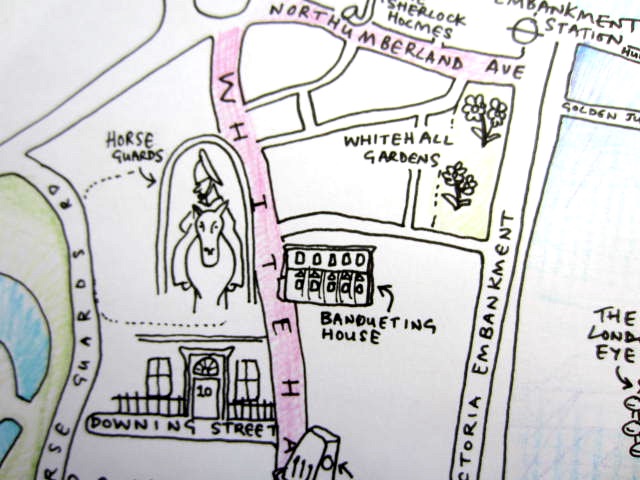 Whitehall Gardens We’re very lucky in London with the sheer number of parks and gardens we have at our disposal, and in Whitehall Gardens which runs along Embankment between Whitehall and Northumberland Avenue you’ll find what is quite possibly (especially during the summer months) one of my favourites. I know very little about flora and fauna but even I can tell this garden is chock full of an amazing array of shrubs and flowers. A few years ago I happened to be wandering through Whitehall Gardens with a couple of botanists from New Zealand who spotted four plants and flowers indigenous to their country that they’d never seen outside of New Zealand. Benjamin Franklin House Located on Craven Street (just behind the Sherlock Holmes pub) is the only surviving Benjamin Franklin residence in the world. He lived at the address for 16 years. Now a small museum, groups of visitors are shown around by an actress pretending to be his landlady. Also, if you walk to the far end of the street, you’ll pass the house that Herman Melville lived in, and see a smallish green shed on the side of the road selling snacks. It’s actually a listed building and one of the few surviving cabmen’s shelters in London; small huts that started popping up in the 1870s so that cabbies could tie up their horses (note the bar running around the side) and get out of the rain. Southbank If you wander across either Hungerford Bridge or the adjacent Golden Jubilee Bridge to the other side of the River Thames you’ll find yourself in an area known as the Southbank. Badly bombed during WWII, the concrete brutalist architecture attests to post-war redevelopment. The Royal Festival Hall was the first building to be built in 1951 and the other arts and concert venues followed and are known collectively as the Southbank Centre. If you walk in the opposite direction back towards Westminster bridge you’ll pass the London Eye, the London Dungeon, the Sea Life Centre and within St Thomas’s Hospital, the Florence Nightingale Museum. Eating and Drinking It’s a touristy area which means the majority of pubs and cafes should probably be avoided. However, if you’re a Sherlock Holmes fan, just off Northumberland Avenue is a pub called ‘The Sherlock Holmes’. It’s pretty bog standard and will be brimming with tourists, but if you go upstairs, then there’s an entire recreation of the apartment that Holmes shared with Watson which was actually an exhibit in the 1951 Festival of Britain. If you’re near Westminster Abbey and need a quick snack, then Pickles Sandwich Bar on Old Queen Street seems to be one of the few non-chain establishments in the area. Close by is the Two Chairmen, a pub which has a dining room upstairs, serves good food and although a 2-minute walk from both Westminster Abbey and the Churchill War Rooms, is located in such a place that you’re unlikely to find too many tourists in there. 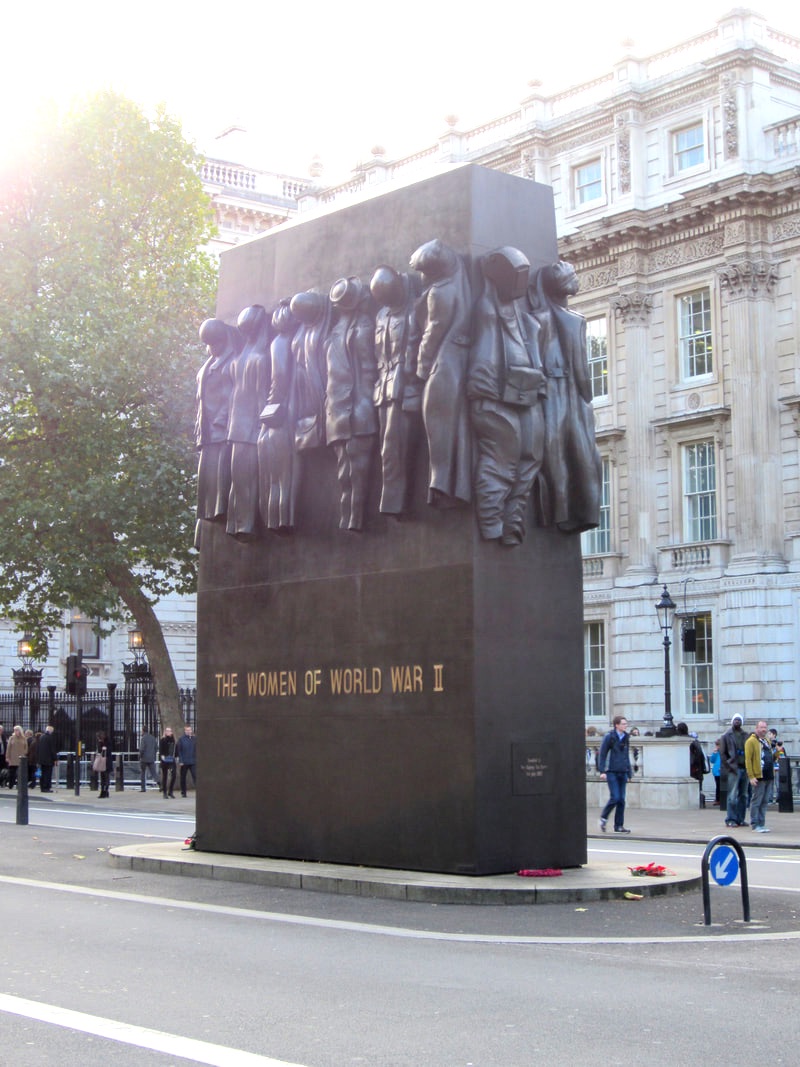 Women of World War II memorial, Whitehall 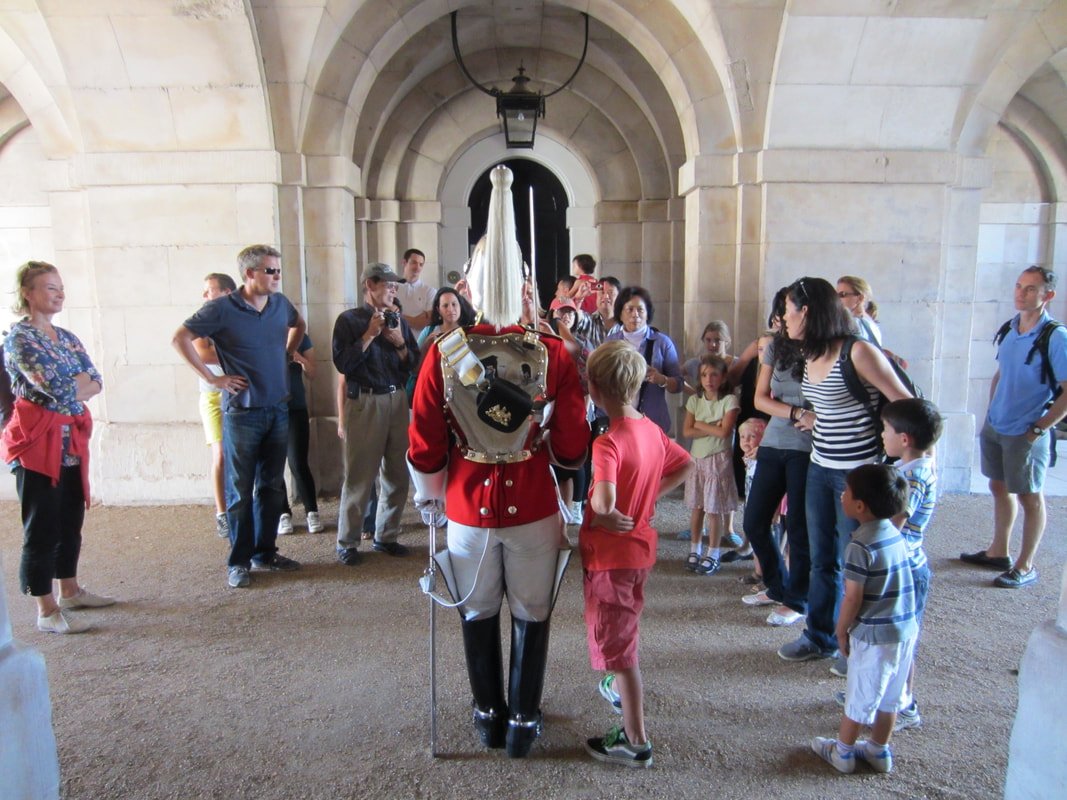 Horse Guards 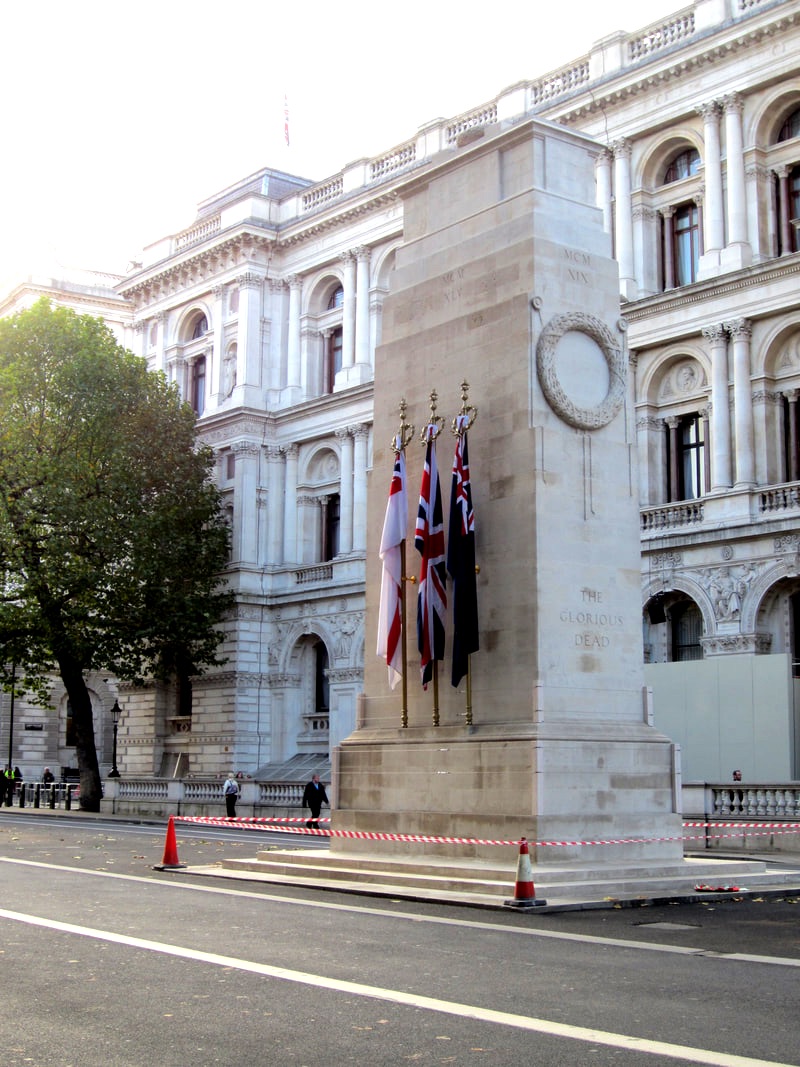 The Cenotaph 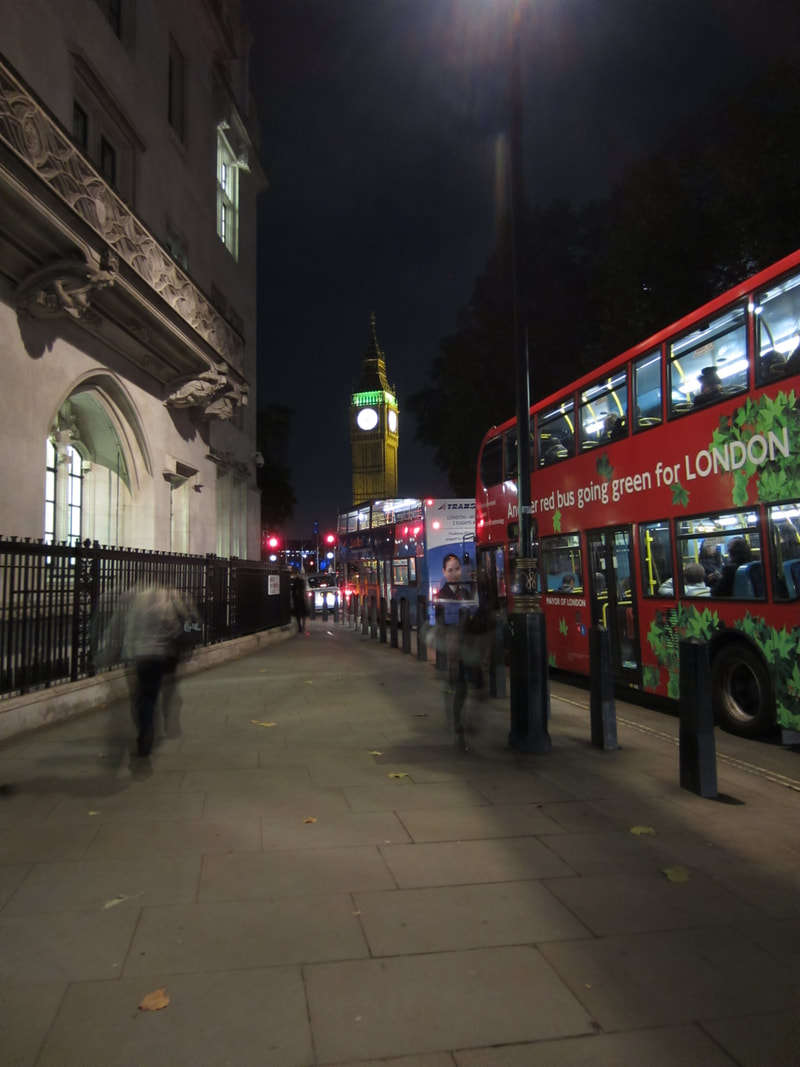 Big Ben at night 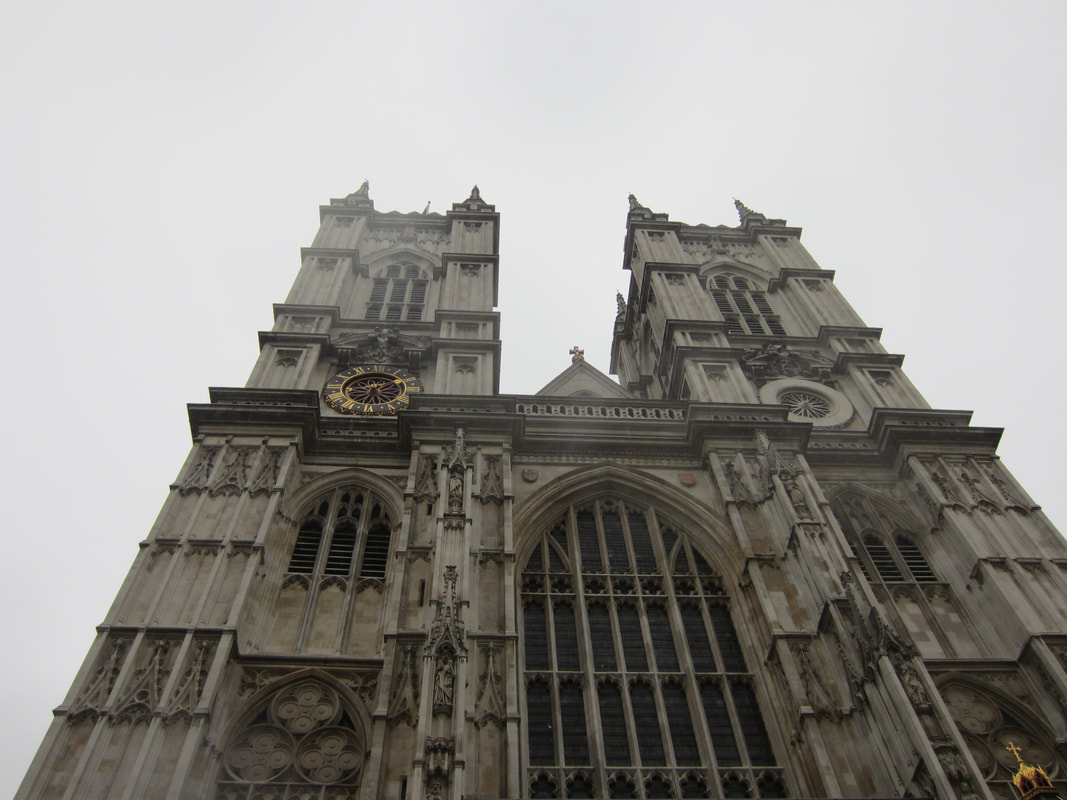 Westminster Abbey 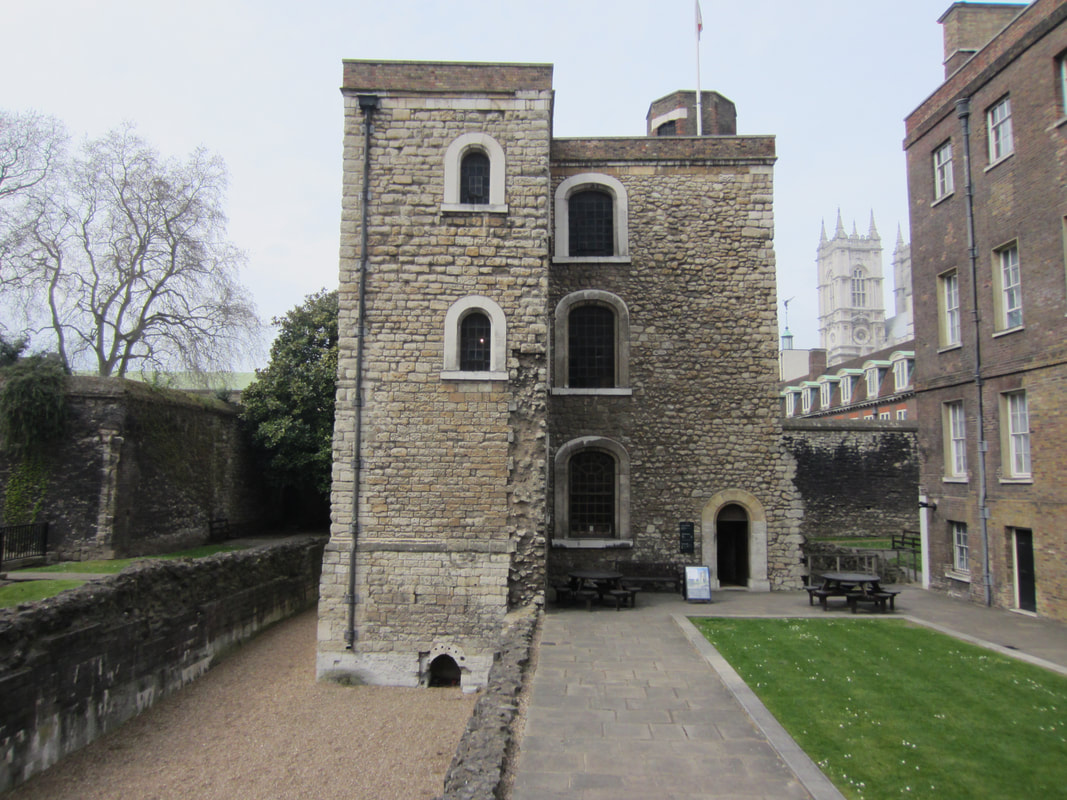 The Jewel Tower
0 Comments
|
Bowl Of ChalkBowl Of Chalk based shenanigans. Archives
July 2024
Categories
All
|
 RSS Feed
