|
With Halloween safely behind us for another year (he says, loosening his belt), I imagine the shelves at Hoxton Street Monster Supplies are looking a little bare. This, my friends, is no ordinary shop. Hoxton Street Monster Supplies is THE most magical place. If you’ve never visited – it’s worth a peek. But be prepared to receive service with a snarl. The Monster Store is “London’s oldest supplier of goods for the living, dead and undead across the UK”, with shelves brimming full of everything a monster needs from jars of Thickest Human Snot (that’s lemon curd to you and me) and bars of Impacted Earwax (aka fudge – delicious by the way!) to bottles of London Smog Soap. But here’s the twist… At the back of this delightfully spooky emporium lies a secret door – and behind it, something even more extraordinary. Push it open and you’ll find yourself in the Ministry of Stories, the brainchild of author Nick Hornby, Ben Payne, and the lovely Lucy MacNab, who’s joined me on many of my London walks over the years and first introduced me to this Hoxton gem. The Ministry runs free writing programmes and small-group mentoring, all devised and delivered by professional writers. They go into east London schools and also run after-school writing labs inside the Ministry itself - a place where ideas, and imaginations, are truly set free. The whole operation runs on magic and generosity - more than 200 volunteers and funding from the shop’s monster-sized profits, plus donations from the living (and possibly the undead).
So next time you find yourself in east London, drop by Hoxton Street Monster Supplies. Buy a jar of snot or a bar of earwax. You’ll leave with a smile, and you’ll be helping the next generation of storytellers find their roar.
0 Comments
Today is the 5th November, a day in the UK associated with an event that almost happened in 1605 when a group of Catholic conspirators attempted to blow up the Royal Palace of Westminster, better known as the Houses of Parliament. The plan was to kill the Protestant King James I and a large number of other protestant big-wigs who would have been present at the State Opening of Parliament that day. The conspirators wanted to install King James’s catholic daughter Elizabeth on the throne - an audacious plan that they very nearly pulled off. All 13 conspirators hailed from the Midlands (where I’m from) and the North, and although the main instigator was a man called Robert Catesby, the ‘poster boy’ has always been one of the newest recruits to the gang, Guy Fawkes. I want to introduce you to four locations in London that are associated with the Gun Powder Plot, which at the time was known as ‘the Powder Treason’. Westminster In 1605 the Royal Palace of Westminster (the building that houses the UK Parliament) was a sprawling mass of buildings which had grown from an 11th century palace into a small village. A fire in 1834 eradicated most of the buildings that the conspirators would have been familiar with, but a couple of bits remain, most notably the 11th century Great Hall (where our late Queen. Elizabeth II lay in State) and nearby, the 14th century Jewel Tower. Our poster boy, Guy Fawkes, was discovered in a cellar beneath Parliament with 36 barrels of gun powder. Somewhat incriminating. The plot was foiled, and all those involved either killed or rounded up to face trial. Before the State Opening of Parliament each year, the Yeomen of the Guard (AKA Beefeaters) ceremonially search the Palace of Westminster for explosives - by lamplight (a fun fact which I included in my recent fun fact trivia book, Why is Downing Street Painted Black? – and 364 other fun London facts. We love a bit of tradition and ceremony in the UK! The Royal Palace of Westminster played a further part in events relating to the ‘Powder Treason’. The eight remaining conspirators who weren’t immediately killed when caught, were tried in the Palaces’ Great Hall and four of them Guy Fawkes, Thomas Winter, Ambrose Rookwood and Robert Keyes, were executed in 1606 in Old Palace Yard. Hoxton Street These days Hoxton in east London feels a world away from Westminster, and back in 1605 it was …two worlds away. It was a quiet country idyll. In October 1605, a catholic called William Parker, known in certain circles as 4th Baron Monteagle or Lord Monteagle was staying in a house on Hoxton Street when he received an anonymous letter. The letter basically warned him not to attend the State opening of Parliament because it was all going to kick off. Part of it reads: “I would aduyse you as you tender your life to devise some excuse to shift youer attendance at this parliament, for God and man hath concurred to punishe the wickedness of this tyme, and thinke not slightly of this advertisement, but retire yourself into your country, where you may expect the event in safety.” Now, the way in which William Parker received the letter; the way in which it was read out to an audience; and the way in which it was handed to King James I’s head of what we would now call ‘the secret service’, Robert Cecil, is all very suspicious and to be debated. But what we can deduce is that William Parker was the brother-in-law of one of the conspirators, Francis Tresham who in turn was related to Robert Catesby (the gang’s ringleader). It is generally believed that it was Tresham who sent the letter to his brother-in-law imploring him to stay away from Westminster on the day it was due to be blown up. Today, a plaque marks the spot on Hoxton Street where what has become known as ‘the Monteagle Letter’ was received. The Tower of London It was at the mighty Tower of London that the eight surviving conspirators were brought, interrogated and tortured. Probably the most famous surviving piece of history from this period is Guy Fawkes' signature, before and after he had his fingers pulled from their sockets. However, if you visit the Tower today, you can still see two signatures of less famous gun powder plotters etched into the very fabric of the building. Whilst waiting to be executed, Ambrose Rookwood carved his name in to the wall of Martin Tower and Sir Everard Digby’s signature can still be seen on a wall in Broad Arrow Tower. St Paul’s churchyard I’ve already mentioned that four conspirators were executed at Westminster, but the men were split up - and it might surprise you to learn that the churchyard at St Paul’s Cathedral was another famous execution site. It was here on the 30th January 1606 that Digby, Robert Winter, John Grant and Thomas Bates met their grisly ends. Today we celebrate the “nearly” events of 1605 with fireworks and burning effigies of Guy Fawkes (and often contemporary politicians) but what are we celebrating? The fact that a plot to kill the King, James I was foiled or that 13 Catholics were executed for something that didn’t happen?
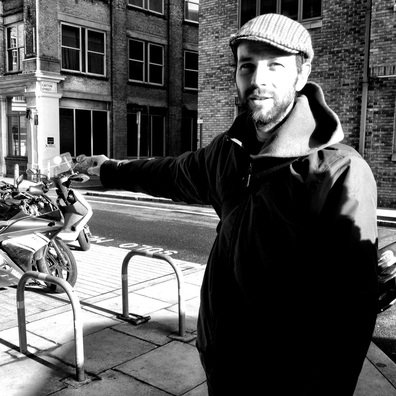
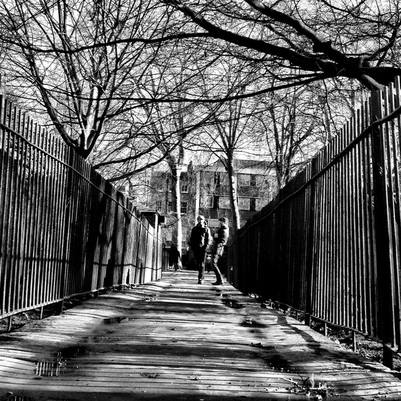
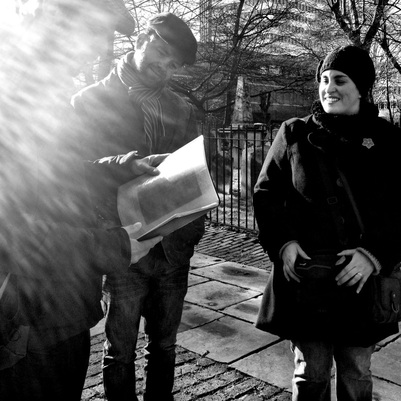
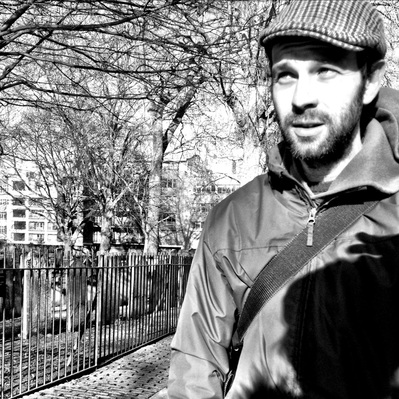
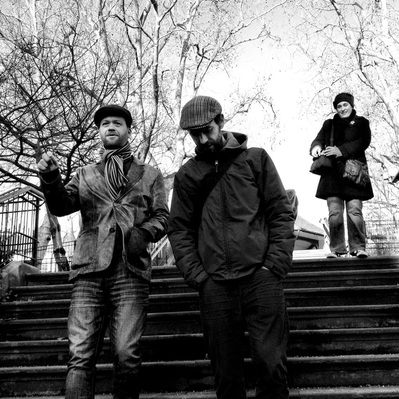
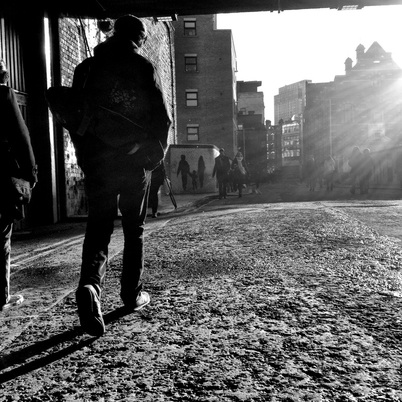
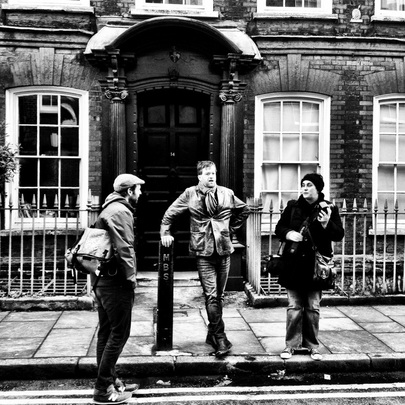
Maybe it doesn’t matter. Either way the Gunpowder Plot remains one of London’s most fascinating stories - and the places where it played out still survive, in one form or another, today. Dylan, who came along on the east London guided walk I did last Sunday sent me some great photos he took. I won't spoil them by writing comments and bits of blurb under each one, so basically they were taken around Old Street, Hoxton, Shoreditch and Spitalfields. Thanks Dylan.
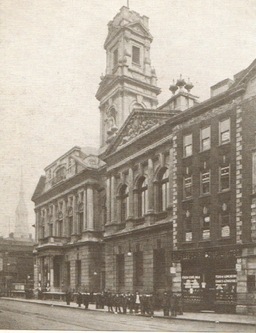
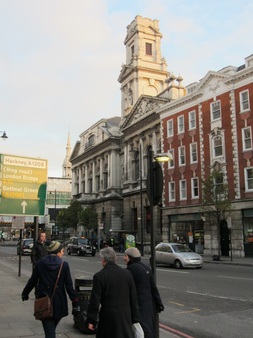
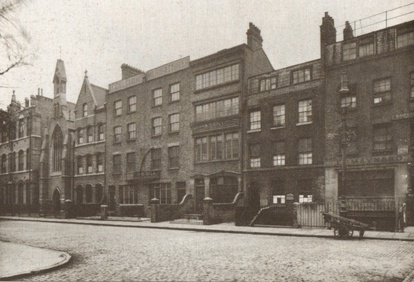
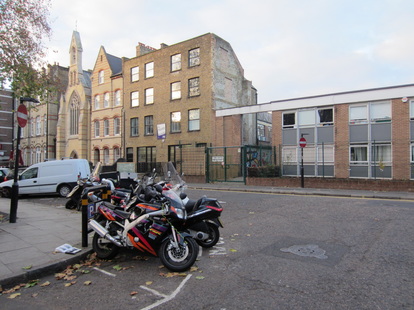
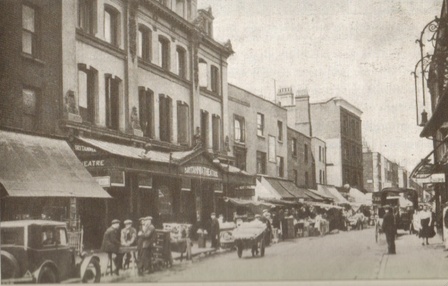
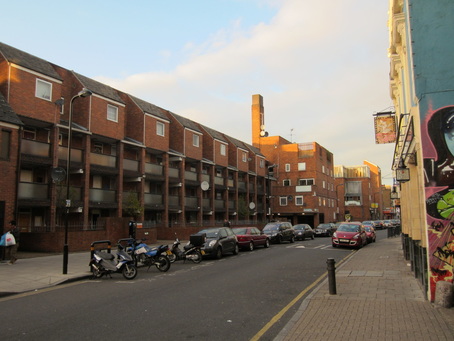
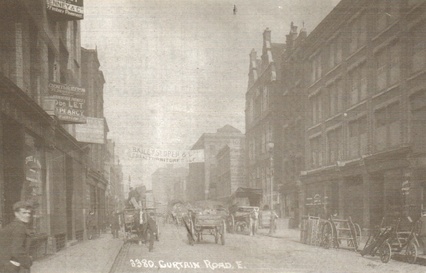
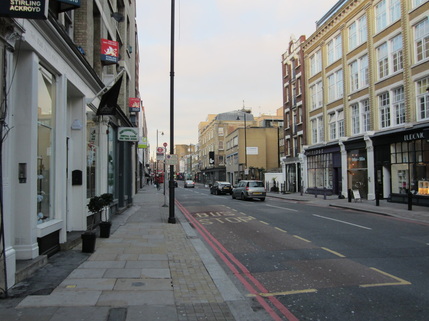
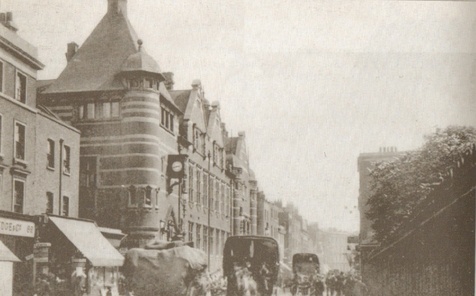
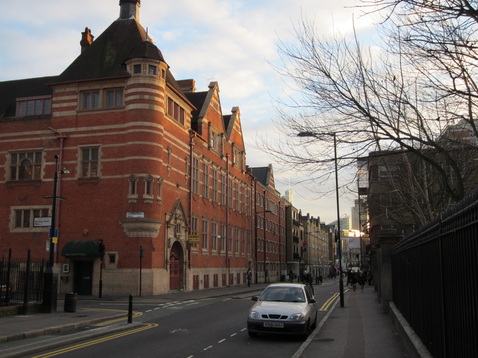
My neck of the woods - then & nowI know you can get apps that do this sort of thing, but I thought it might be fun to show a few pictures of the Shoreditch and Hoxton area, which are covered in the 'My neck of the woods' walk, as they were 'then' and as the same place looks 'now' in 2011. Quite simple really. If you know the area, it might be quite interesting. Then again, it might not. This is Shoreditch Town Hall, originally built in 1865. This is the north end of Hoxton Square in 1921. The square was originally developed in the 1680's. St Monica's Catholic Church on the left is still there ... as you can see. Just up the road is Hoxton Street, which was home to the Britannia Theatre, built in 1841 and could seat 3000 people. It was frequented by Charles Dickens (amongst many others), but unfortunately WWII got the better of it. The photo below was taken in about 1936, by which time it was being used as a cinema. It's now a block of flats opposite the Macbeth pub. Curtain Road was once home to The Theatre, which was where William Shakespeare strutted his stuff before his troupe 'The Lord Chamberlain's Men' dismantled the theatre, took it across on the Thames, re-erected on Bankside and called it The Globe. This is Curtain Road in about 1900. Pitfield Street is named after Charles Pitfield, who bought a large moated mansion house nearby in 1648. It runs down the side of Hoxton Square and runs from Old Street pretty much up to the Regent's Canal and also joins up with New North Road. The photo below was taken in about 1905 and shows the library and what used to be the baths to the left. The baths were demolished after the war, and the library now houses the Courtyard Theatre. Archive photos courtesy of L.B Hackney's Archive Department.
|
Bowl Of ChalkBowl Of Chalk based shenanigans. Archives
February 2026
Categories
All
|
RSS Feed