|
This coming weekend I'll be starting my new regime of Weekend London Walks, including some entirely new adventures in parts of London I've not previously covered on group 'pay what you want' walks. This coming Sunday (3rd July) at 3pm I'll be doing my inaugural 'Holborn, Clerkenwell & Smithfield' tour, so thought I'd write a brief post describing a little bit about what you can expect. Holborn If you've been on walks with me before you'll know I'm quite keen on the etymology of words and place names, so we'll talk about 'Chancery' (we'll meet outside Chancery Lane underground station) and the legal 'Inns' that used to be in the area. We'll meet right by the impressive Staple Inn, a black and white Tudor building which is still standing and dates back to 1585. We'll pass by the gothic Victorian Holborn Bars, which was once Furnival's Inn, where Charles Dickens lived when he began writing the Pickwick Papers. We'll move on to Hatton Garden, today, London's 'jewellery quarter', once London residence of the Bishop's of Ely from the 13th century and part of which was grant to Christopher Hatton in the 16th century. We'll pass through a little alley way to discover a lovely little pub, Ye Olde Mitre, the origins of which date back to 1546 and a delightful little church which has managed to survive from the reign of Edward I (1272 - 1307). From there we'll move on to Smithfield. 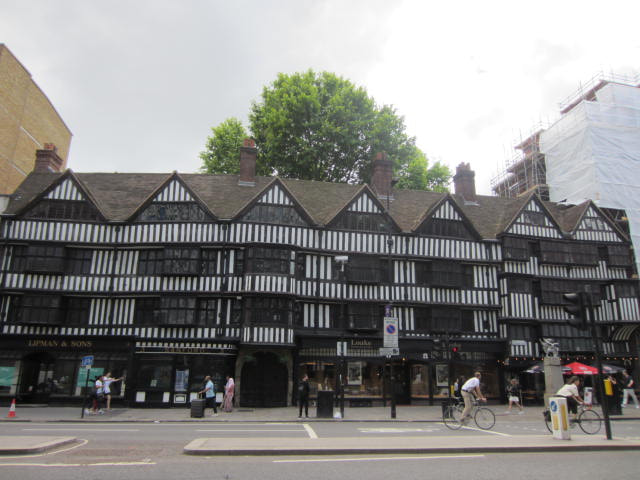 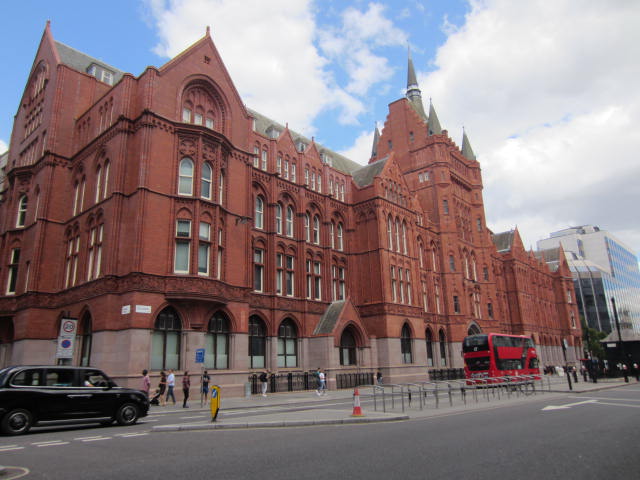 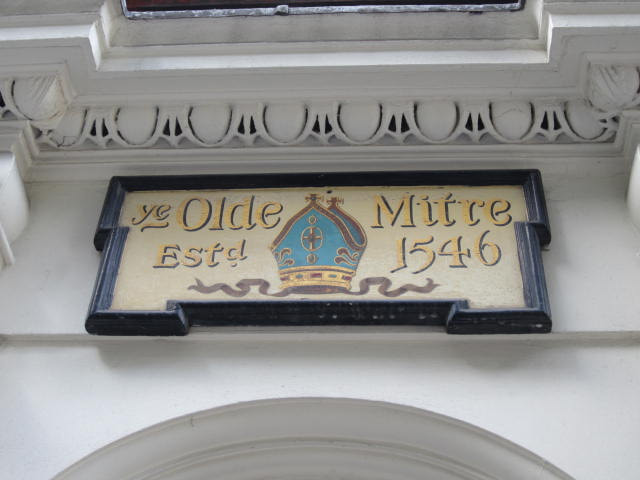 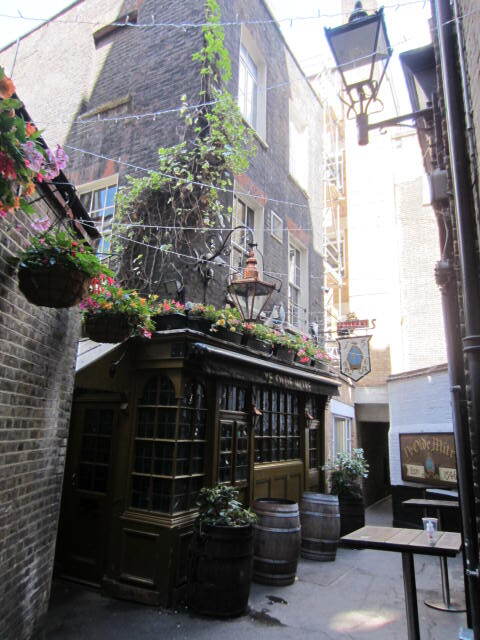 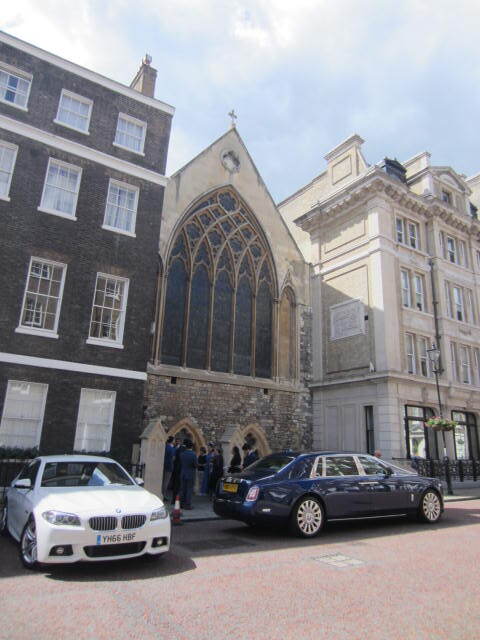 Smithfield Smithfield has an intriguing, gruesome and varied history as a jousting ground, the site of a yearly fair which began in the 12th century, St Bartholomew's Hospital and a monastery founded in 1123, part of which the church of St Bartholomew-the-Great survives today, a meat market which has been on the site for 900 years and amongst other things ...executions. Queen Mary I ('Bloody Mary' had over 200 Protestants executed there, many of whom were burned at the stake. Perhaps the most famous execution at Smithfield was Scottish patriot William Wallace in 1305. We'll pass by the 'oldest house in London', walk over a Black Death burial site, stop outside another ancient monastery, which gets used regularly as a film set and currently houses about 45 'brothers'. We'll also talk about the meat market and its changing fortunes over the years before heading on to Clerkenwell. 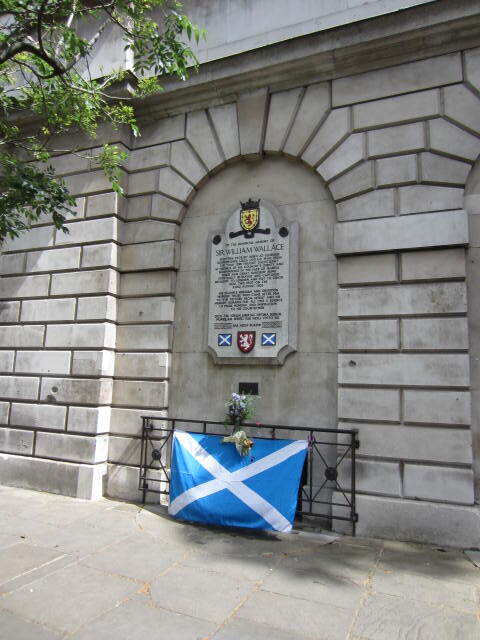 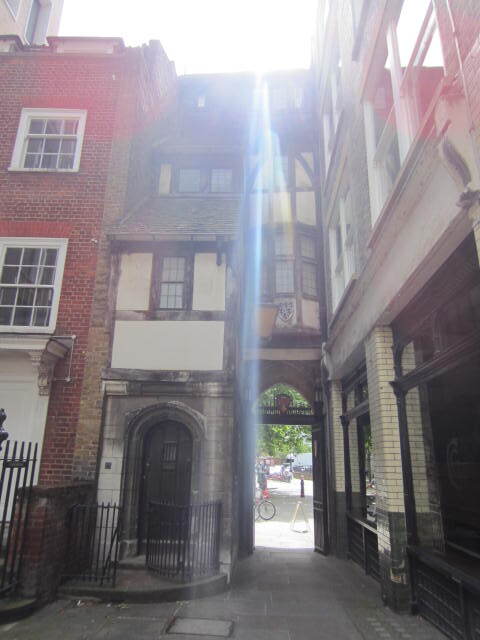 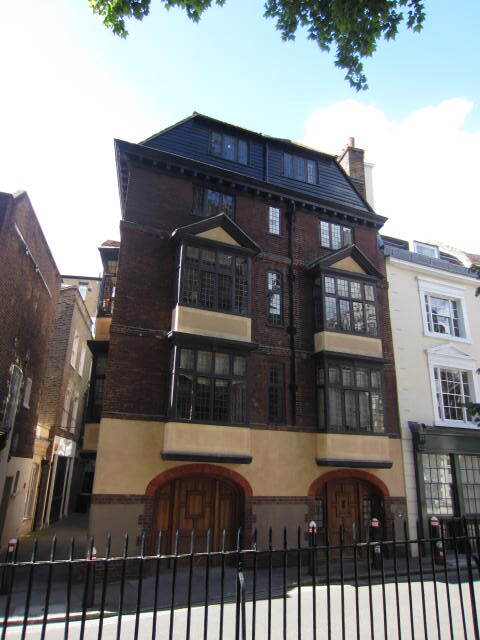 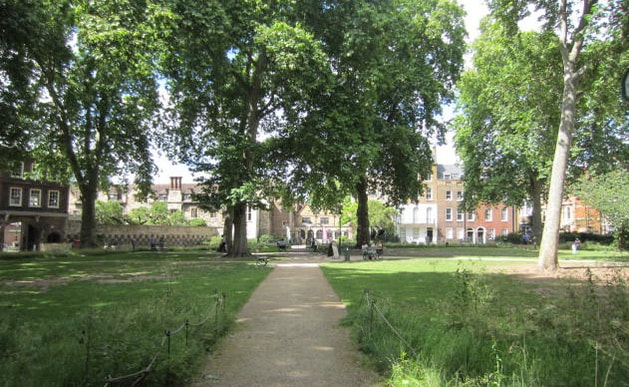 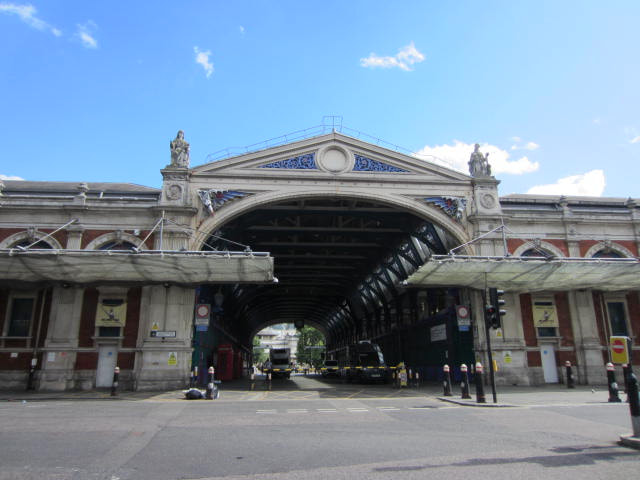 Clerkenwell There was another 12th century monastery in Clerkenwell, parts of which still survive today, not just physically, but in an organisation that everyone will be very familiar with. We'll pass through the Tudor gatehouse and by the old Norman church to Clerkenwell Green which features in Charles Dickens 'Oliver Twist' and take a look at some of the buildings, old and new. At the end we'll go in search of the original 'Clerk's Well' which gives its name to the area. 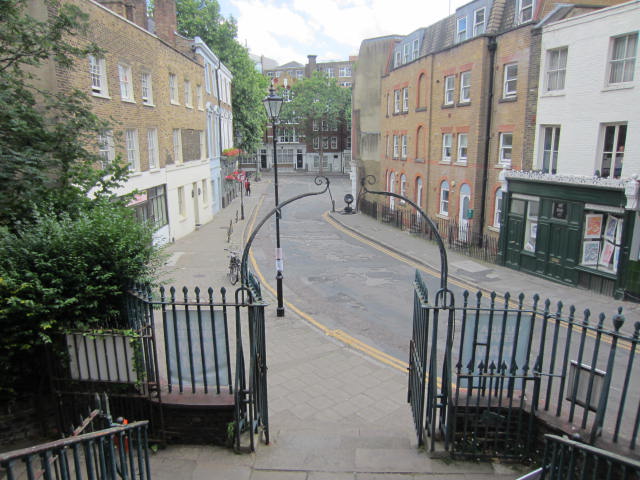 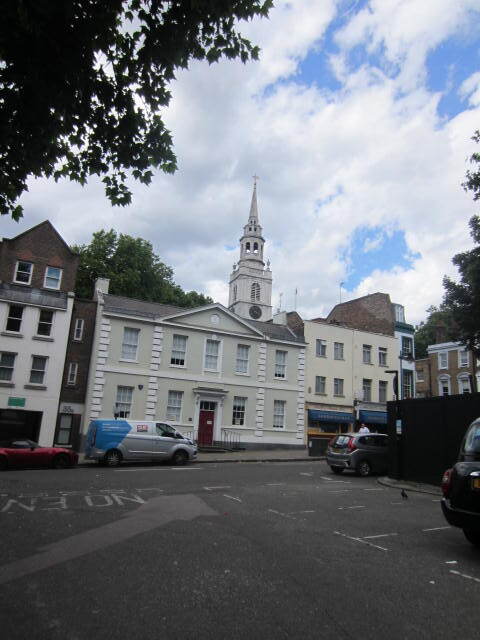 Please Note - This walk might change a bit. The purpose of this blog post is to just give you a taster of what you can expect.
This weekend on Sat 2nd July I'll also be doing 'The Great Fire' walk, 'Around St Paul's cathedral' and 'Fleet Street'. If you'd like to join the walk listed here, or any of my other walks, please book first, by sending me a message via the Contact Form. Thank you.
0 Comments
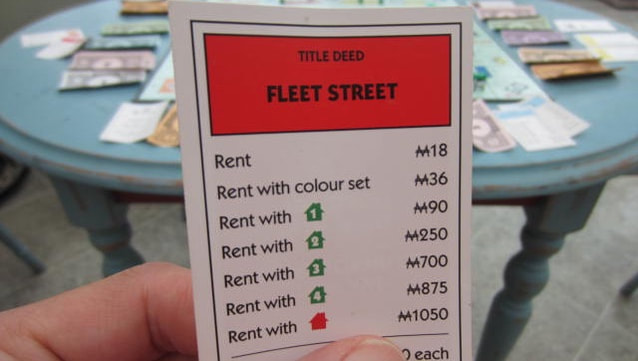 Where is it? Fleet Street runs from the end of Strand to Ludgate Circus junction. Despite being only about 550 metres long, it packs in a lot. What’s the story? The street takes its name from the river Fleet, one of London’s ‘lost’ rivers which still trickles along in tunnels beneath Farringdon Street and New Bridge Street, perpendicular to Fleet Street where it joins Ludgate Hill. Originally the river formed the natural western boundary of the Roman city of Londinium. From the early years of the 16th century, Fleet Street became a hub for printing and publishing, which at the beginning of the 18th century moved in to newspapers. By the 20th century almost every building on Fleet Street belonged to a national newspaper with both the writing and printing taking place on the street, spawning the name ‘ink street’. Even though all of the newspapers began moving out in the 1980s, “Fleet Street” is in the UK still used as a byword for the newspaper industry. 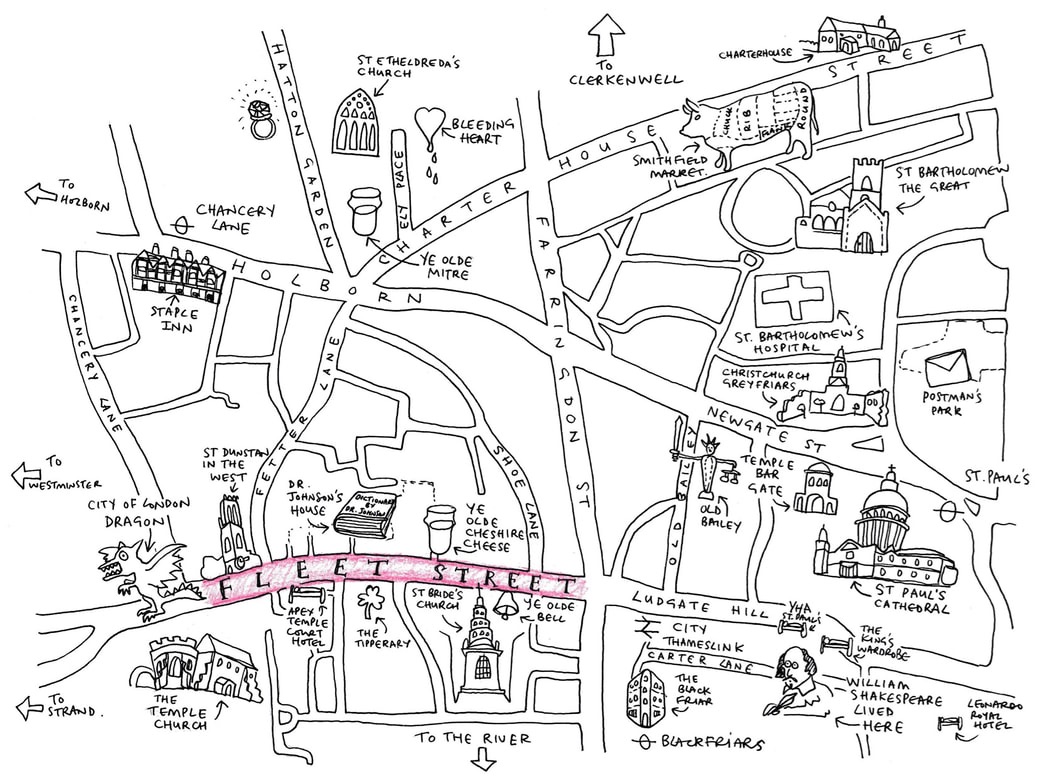 How do I get there? As Fleet Street literally runs from Strand, you could get the No.15 bus (mentioned in the Strand post), or alternatively use Blackfriars Station. Temple or Chancery Lane stations are within easy walking distance. If you’re travelling from further afield, there’s a City Thameslink station on Ludgate Hill with ‘real trains’ that come in from Brighton and Gatwick in the south, parts of south east London and Bedford, Cambridge and St Albans to the north. What’s it like now? Some of the newspaper heritage is still visible with names of newspapers lingering on buildings, but the historic identity of ‘ink street’ is long gone, and has become a generic business street. As a main thoroughfare between Westminster and the City it does get super busy (particularly at peak times), many of the buildings are interesting to look at, particularly above eye level and heading east you are afforded a lovely view of St Paul’s cathedral at the top of Ludgate Hill. Where would I stay? I do occasionally meet people who stay in and around Fleet Street, which I think is an interesting choice. Firstly, you’d be incredibly well placed between the main sites of Westminster to the west and St Paul’s cathedral and the Tower of London to the east. It is a business district, so during the week, the pubs in particular would be packed, but on the weekend, it’d be dead and you’d find many of the shops don’t bother opening. I’ve met people to do a private walk at the Apex Temple Court Hotel on Fleet Street and they did say that almost every other guest was a business man or woman staying for work reasons. There is a Premier Inn close by just behind St Bride’s church but if you’d rather be close to St Paul’s cathedral there’s the King’s Wardrobe secreted away in a lovely little courtyard or the recently renamed Leonardo Royal Hotel. Budget travellers will be thrilled to learn that there’s a YHA Hostel on Carter Lane in a building formerly occupied by St Paul’s cathedral choristers. 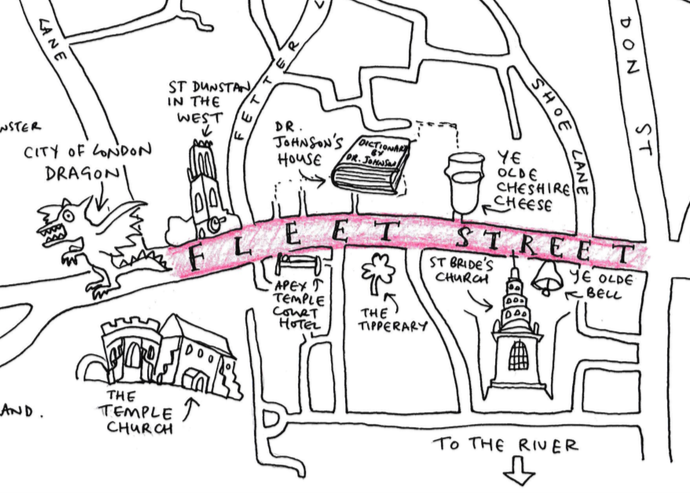 What’s of interest? City of London Dragon If you begin at the east end of Fleet Street where it meets Strand, you are standing at Temple Bar which marks the boundary between Westminster and the City of London. It was a later western extension of the original Roman city, and as such had a gate, known as ‘Temple Bar’ because it began life as a simple bar across a gate close to the Temple church. The city gates were largely removed in the 18th century due to congestion problems, but Temple Bar survived, and with its own intriguing history can now be found between St Paul’s cathedral and Paternoster Square. The City of London boundaries are now marked by dragons (There are 13 of them) and this one was erected in 1880 with sculptures of Queen Victoria and Prince Albert in niches either side. The Dragon (sometime referred to as a Griffin) is the symbol of the City of London, holding a shield with the cross of St George and a small sword of St Paul; the coat of arms of the City of London. Temple Church To your right, you’ll find the myriad of passages leading down to the river, which are the precincts of Inner Temple and Middle Temple Inns of Court and the wonderful Temple Church, mentioned in the Strand post. Dr Johnson’s House Tucked away on Gough Square is one of London’s small house museums; Dr Johnson’s House. Much of the area was destroyed during WWII but No.17, despite being damaged (still visible) was spared demolition largely on account of the fact that it was where the first definitive dictionary was compiled in 1755 by the larger than life character that was Samuel Johnson. His quote “When a man is tired of London, he is tired of life” adorns the introduction to almost every book about London ever written. If you’d like to learn about Johnson, his contemporaries like David Garrick or the former slave Francis Barber who became Johnson’s man servant and heir to his fortune, or just about life in 18th century London, then it’s well worth a visit. Also say hello to the statue of Johnson’s cat Hodge who sits proudly on a dictionary at the opposite end of the square. St Bride’s Church A number of churches around London have secrets which you only find out about if you go in and explore. St Bride’s on Fleet Street is no exception. Following the familiar pattern of many of the City churches, St Bride’s was a medieval church burned down in the Great Fire of 1666, rebuilt by Sir Christopher Wren and then bombed in WWII. St Bride’s was completely gutted but lovingly restored and is known as the ‘Journalists and Printers’ church’. In the north east corner, you’ll discover an altar adorned with photos of journalists who have died whilst reporting in war zones. I encourage you to head down in to the crypt where you’ll find cases filled with artefacts that have been found on the site, dating back to the Roman period, and exhibition boards detailing the history of the Fleet Street printing industry. If you wander over to the small chapel at the far end, you’ll see reflected back in angled mirrors on the ceiling, the remnants of a Roman pavement, hidden beyond a medieval wall. If you join one of the church’s weekly Tuesday afternoon tours, you’ll even get to see the thousands of bones piled up in the ossuary next door. Not for the squeamish. I almost forgot. Perhaps the most famous thing about St Bride’s is their spire and its distinctive tiered design which is said to have inspired a local baker to create the first tiered wedding cake. For this reason, many people simply call it ‘the wedding cake church’. 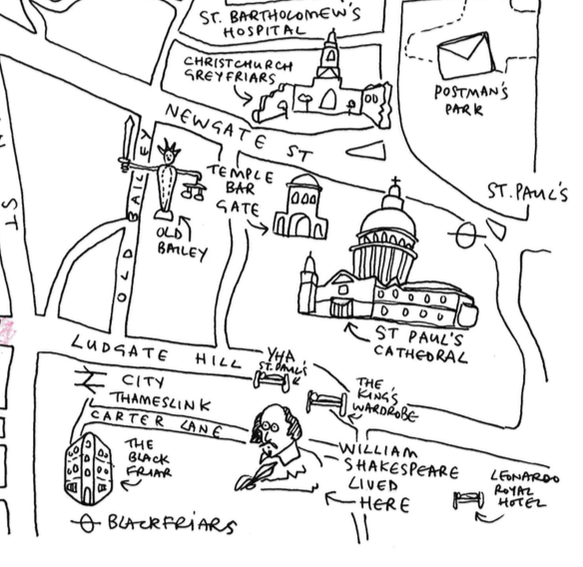 William Shakespeare If you walk up Ludgate towards St Paul’s cathedral there are a number of little lanes and alleyways off to your right in an area that once belonged to a large Dominican Monastery, whose monks wore black. The area, a pub, a station and a bridge are now all known as ‘Blackfriars’. In 1613, the Globe Theatre on Bankside burned down during a performance of Henry VIII. The Lord Chamberlain’s Men (the theatre troupe Shakespeare belonged to) decanted to the old Blackfriars Monastery and built an indoor candle-lit playhouse whilst the Globe was being rebuilt. You’ll still find ‘Playhouse Yard’ there today. William Shakespeare bought a house close by (the deed of which still exists) just three years before his death. You’ll find a plaque commemorating the fact on St Andrew’s Hill on a building on the other side of Ireland Yard from a pub called ‘The Cockpit’. St Paul’s cathedral Like a number of ‘places of interest’ I’ve mentioned, a short paragraph clearly does not do St Paul’s cathedral justice. There’s been a church dedicated to St Paul on the same site since the year 604. The current cathedral was designed by Sir Christopher Wren and finished in the first decade of the 18th century after the previous building (known as Old St Paul’s) burned down during the Great Fire of 1666. The cathedral reaches 365ft tall (one for foot for each day of the year) and remained the tallest building in London for just over 250 years until it was usurped by the Post Office Tower (now the BT Tower) in 1963. Despite now being way down the list of London’s tallest buildings, St Paul’s cathedral remains a protected view and remains visible from a number of vantage points around London. Horatio Nelson’s tomb has pride of place in the crypt directly beneath the dome and the cathedral has hosted the funerals of the Duke of Wellington, Winston Churchill and more recently Margaret Thatcher, not to mention the wedding of Prince Charles and Diana in 1981. Like Westminster Abbey, St Paul’s cathedral is first and foremost a place of worship, but aside from regular services there’s so much to experience. If your legs will allow, climb to the top of the dome (2nd biggest in Europe after St Peter’s in Rome) for incredible views across London, learn how the building survived the intense bombing in the area during WWII and much more. Postman’s Park A short walk from St Paul’s cathedral, you’ll find postman’s park in the former church yard of the wonderfully named church of St Boltoph without-Aldersgate. In 1900 a small section of the garden was given over to a memorial dedicated to ‘Heroic Self-Sacrifice’ with the names of people who died in the act of saving another person’s life. The tablets are beautifully rendered, incredibly moving in their simplicity and featured prominently in the film ‘Closer’ based on the play of the same name by Patrick Marber. Smithfield Just north of St Paul’s cathedral is an area called Smithfield, which for the last 900 years has been a meat market. However, all that is about to change as the Museum of London, an absolutely brilliant museum about the history of London is preparing to move in to the Victorian meat market buildings. The area is on the verge of a huge amount of change, but it’s a fascinating area. Scottish patriots or fans of Mel Gibson’s ‘Braveheart’ might like to pay a visit to the spot where William Wallace was executed in 1305. Close by is the beautiful medieval church of St Bartholomew-the-Great, originally part of an Augustinian priory in 1123 and has been used as a film location for films such as ‘Four Weddings and a Funeral’, Robin Hood; Prince of Thieves’, ‘Shakespeare in Love’ and many more. On the other side of the market is a genuine bona-fide hidden gem in the form of Charterhouse, a 14th century priory that was largely rebuilt in the 16th century. The rambling assortment of buildings sit within a 7-acre plot hidden away from the world and is a retirement home. However, they recently opened a small museum and provide tours. If you can, I highly recommend visiting this unique, living breathing piece of London history. Pubs There are a large amount of pubs in the area, and not only that, put pubs that are historically interesting like Ye Olde Mitre, just off Hatton Garden. However, as we’re supposed to be focusing on Fleet Street, here are a few on that street alone. Ye Olde Cheshire Cheese Often, if establishments put the words ‘Ye Olde’ at the beginning of their name, it means they’re not old, but would like to be. However, a look at the sign over Ye Olde Cheshire Cheese’s threshold on Wine Office Court which reads ‘Rebuilt in 1667’ plus the list of Monarch’s that have reigned since it was rebuilt, beginning with Charles II would suggest you’re dealing with the real thing. You are. Stepping in to Dr. Johnson’s local is a to step back in time. Once your eyes adjust to the dark, you’ll notice sawdust on the floor, low ceilings, a brazier burning in the ‘gentleman’s bar’ and the feeling that it probably hasn’t changed that much since the fictional character of Charles Darnay entered in Charles Dickens’ novel ‘A Tale of Two Cities’. Be sure to head down two floors to the cellar bar, but be careful not to bang your head on the way down, or up. The Tipperary The Tipperary is a saloon bar style Irish pub on Fleet Street and claim not only to be the first Irish pub outside Ireland but the first to serve Guinness in England. The Old Bell Standing on the site of an earlier pub, The Old Bell (which I exuberantly labelled Ye Olde on my map) was apparently built by Christopher Wren after the Great Fire for the masons working on the adjacent St Bride’s church. The Punch Tavern Occupying the site of a former 19th century gin palace, the Punch Tavern received its current name after employees of the nearby Punch magazine who were frequent patrons. 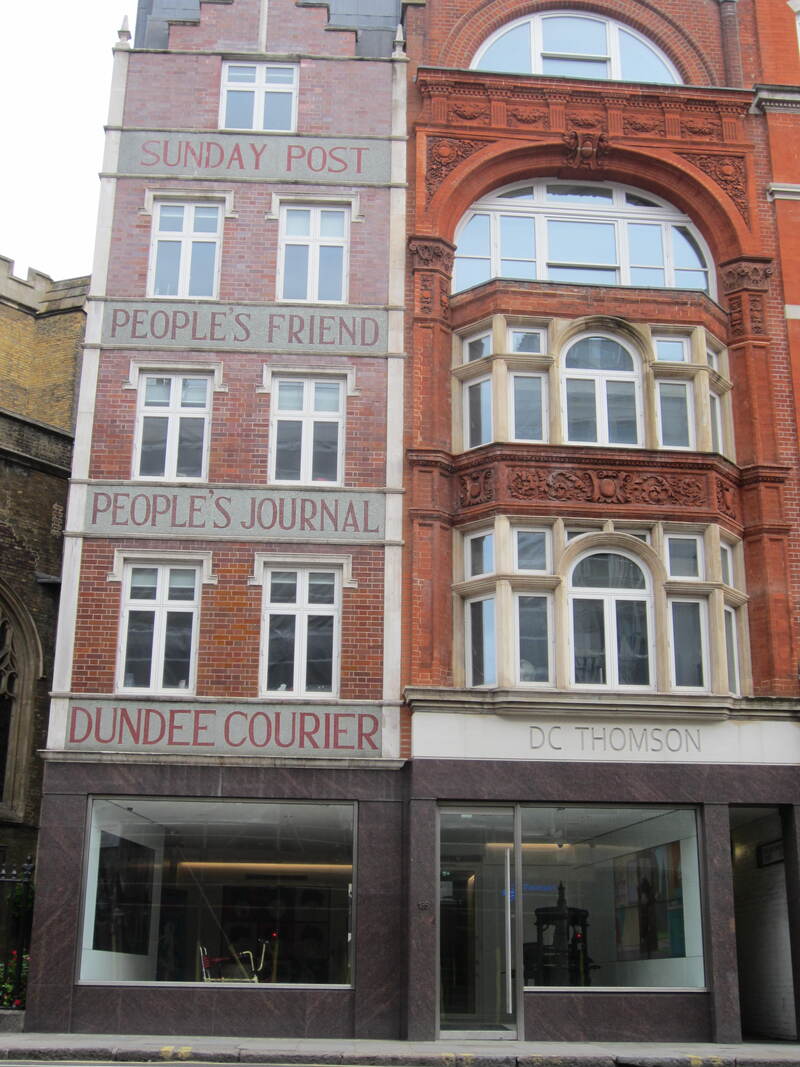 Newspaper names on Fleet Street 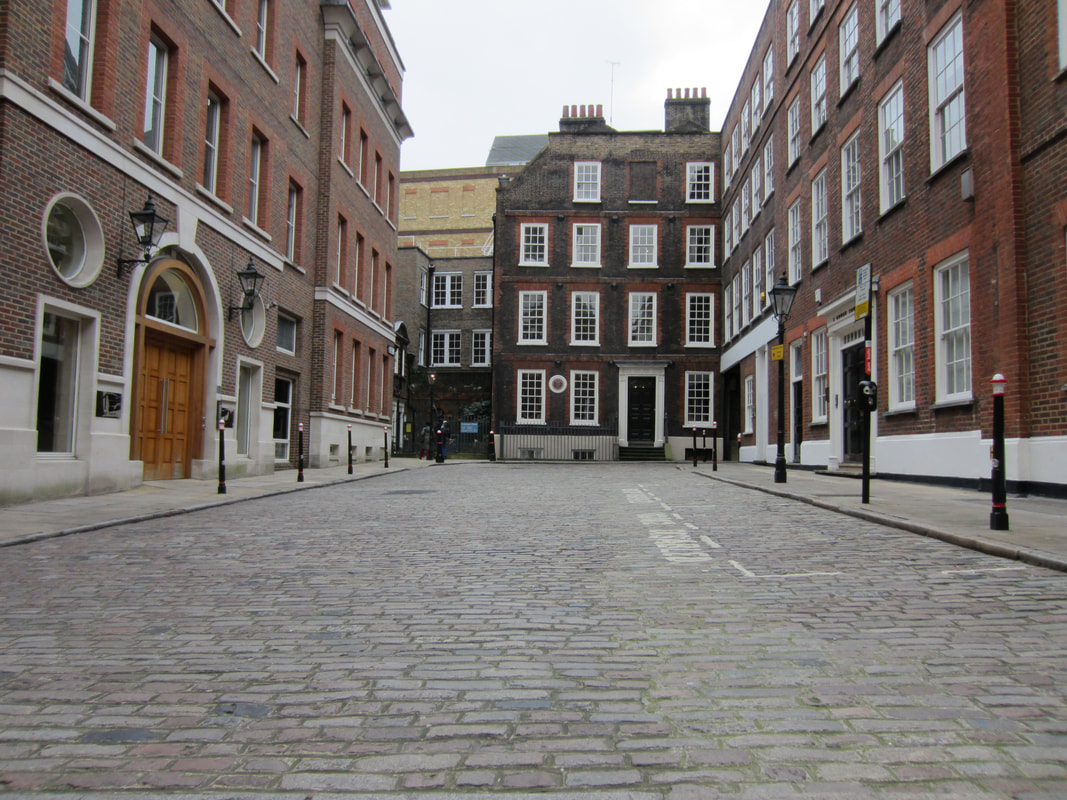 Dr Johnson's House on Gough Square 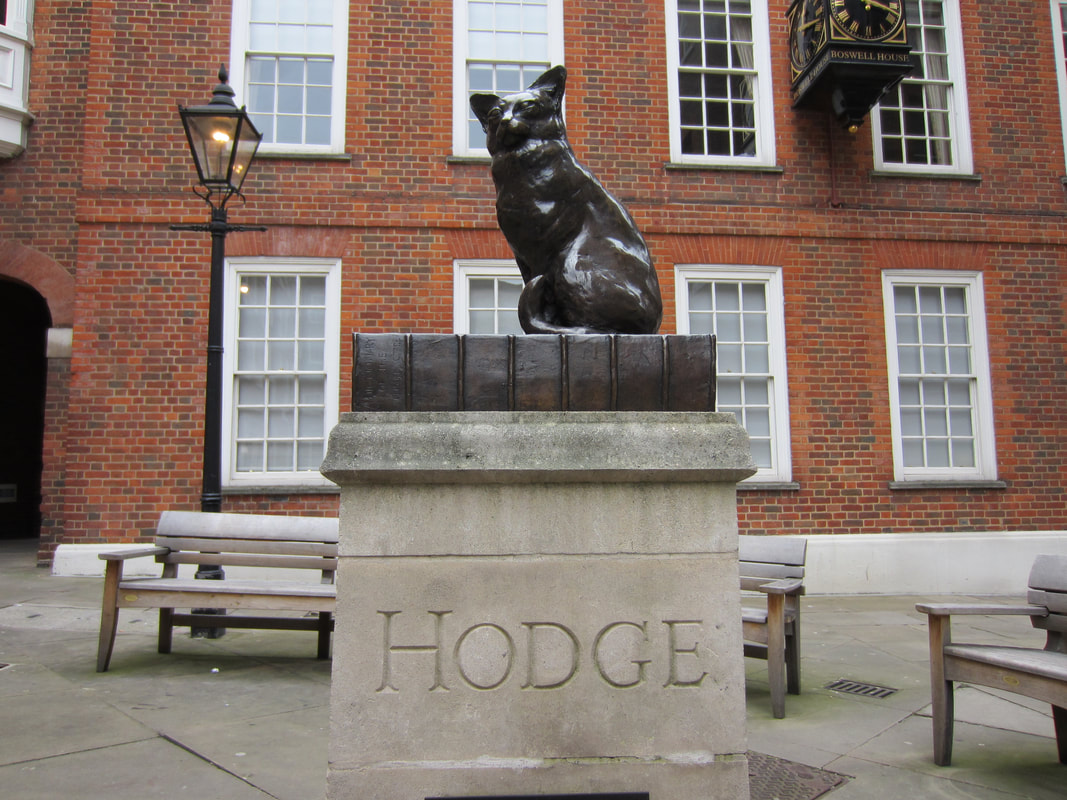 Statue of Hodge, Samuel Johnson's cat 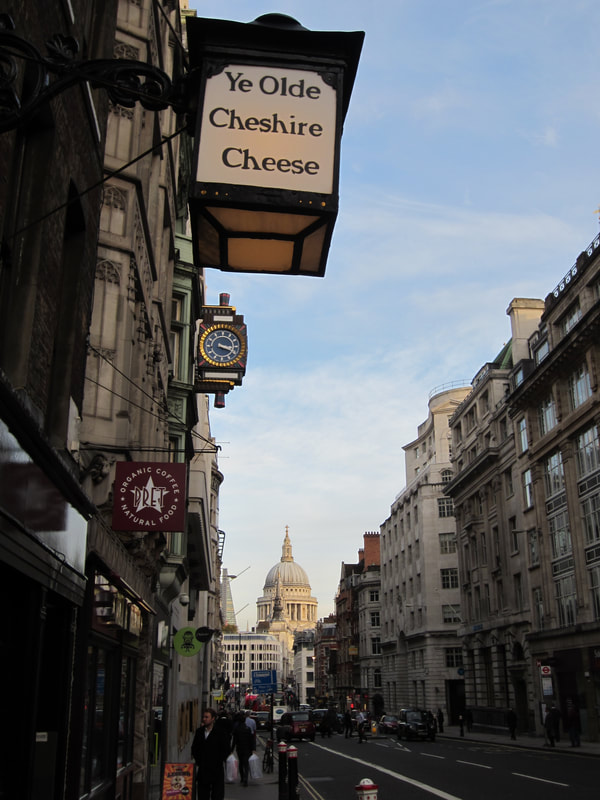 Fleet Street, looking towards St Paul's cathedral 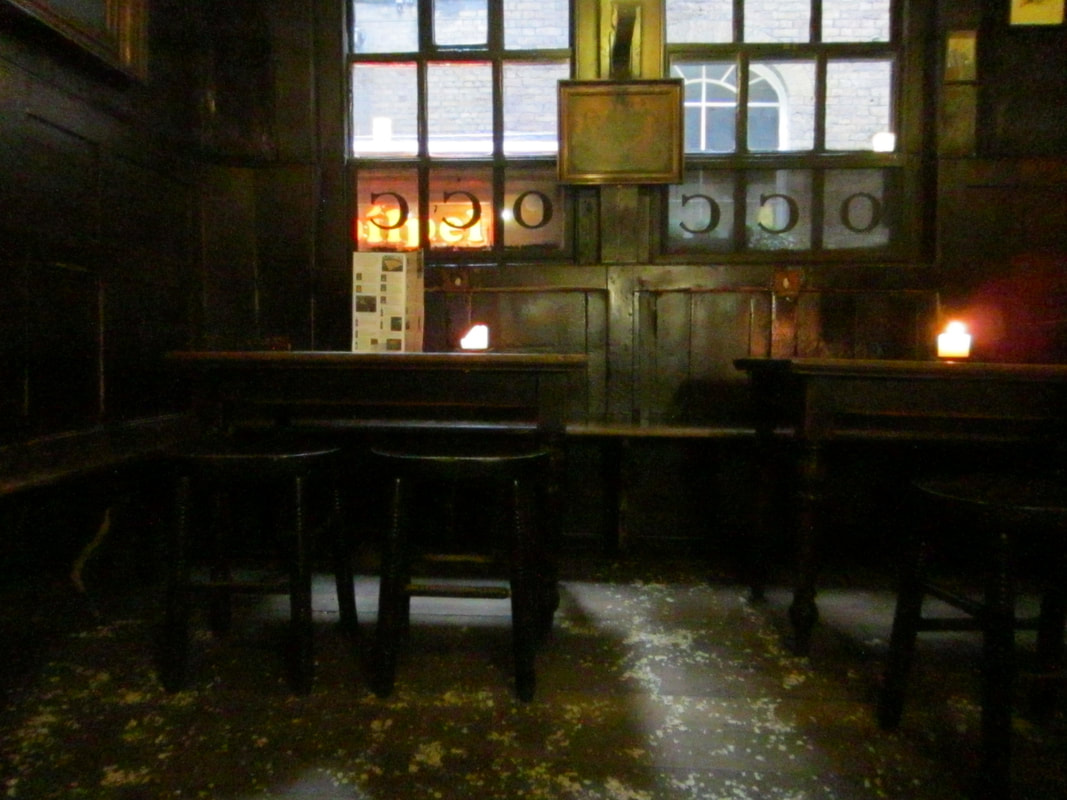 Inside Ye Olde Cheshire Cheese 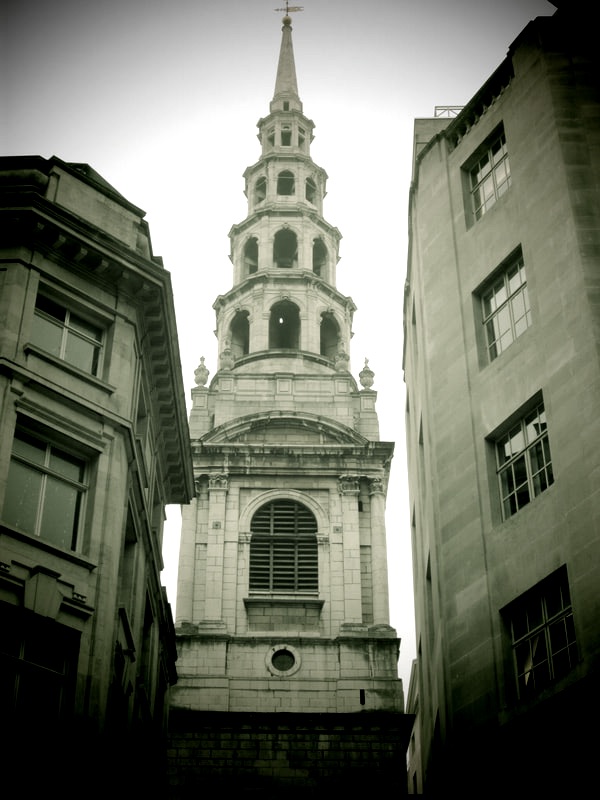 St Bride's spire 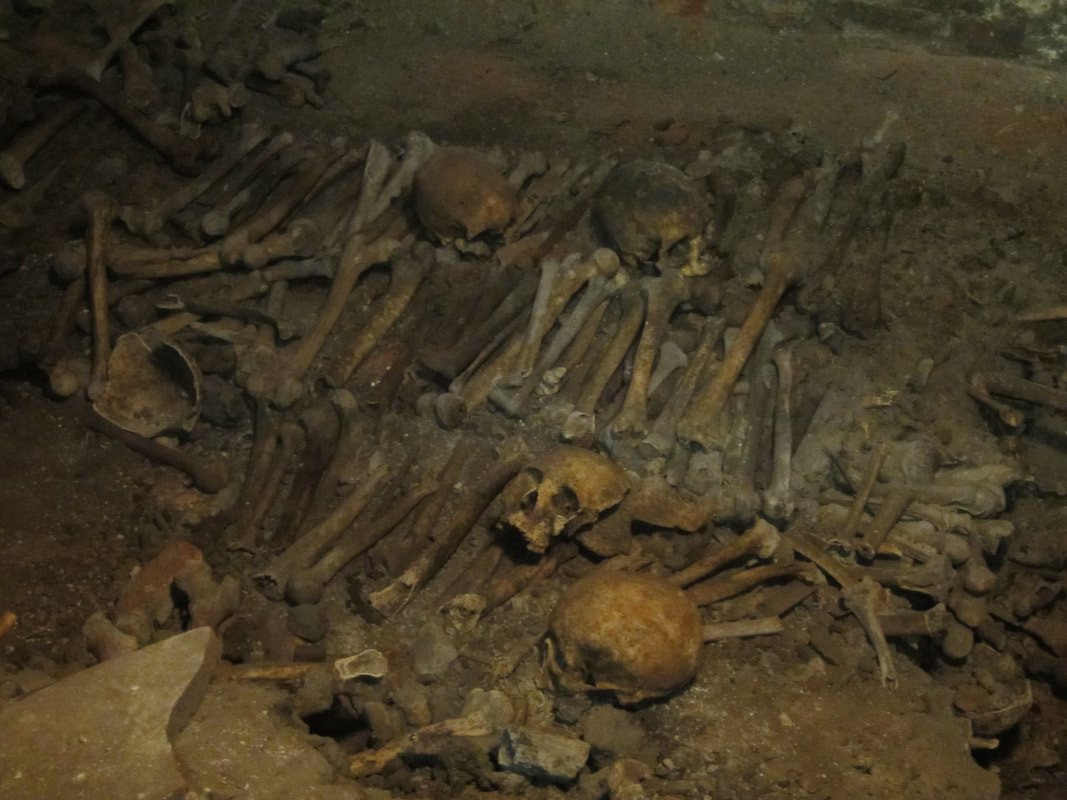 Bones in the ossuary at St Bride's |
Bowl Of ChalkBowl Of Chalk based shenanigans. Archives
July 2024
Categories
All
|
 RSS Feed
