London's Quietly Brilliant Riverside Village.If you’re a Rotherhithe local – then apologies in advance. I’m about to big-up your quiet little corner of London. In my opinion, Rotherhithe (or Old Rotherhithe as it’s often called), doesn’t toot its own flute nearly enough. Just a 15-20 minute walk from the hustle and bustle of central London, Rotherhithe is a historic little village bursting with lovely sights, interesting places to visit and great places to eat and drink. Think cobbled streets, converted Georgian and Victorian warehouses and plenty of historic buildings that somehow escaped the heavy bombing that flattened so much of London during the Second World War. First things first – how to get there Getting to Rotherhithe from central London couldn’t be easier. My suggestion would be to take the scenic route and walk along the River Thames. It’s only a mile and a half from Tower Bridge. Or simply hop on the overground line and jump off again at Rotherhithe station. What to see and do in Rotherhithe Here are a few of my favourite places to visit – all within a stone’s throw of one another. 1. The Brunel Museum Tucked beside the Thames is a museum marking the entrance to the world’s first tunnel under a navigable river - a feat masterminded by Marc Brunel and his son Isambard Kingdom Brunel. The Brunel Museum is easy to miss from the street, but pop inside and you’ll discover the shaft where workers descended to dig the Thames Tunnel. What they achieved here changed engineering forever and paved the way (or tunnelled it…) for the Underground tube network that Londoners rely on today. 2. The Mayflower Rotherhithe’s most famous pub - and one that gets a mention in my Fun London Facts book (page 291, “A Pint and an American Stamp Please”). This is where the first group of the Pilgrim Fathers were picked up before the Mayflower sailed down to Plymouth in 1620 and then onward to the New World. Inside, it's all sloping floors, creaking beams and candlelight. Outside, there’s a riverside deck, perfect for a pint whilst enjoying one of the best Thames views in London. 3. St Mary the Virgin This beautiful 18th-century parish church is worth a visit for several reasons - not least because Mayflower Captain Christopher Jones is buried in the churchyard. Step inside and you’ll find: Old box pews that are still intact and a three-decker pulpit - both of which are a rarity these days; four interior columns that aren’t stone at all, but ships’ masts and a roof structure that looks like the upturned hull of a boat. It’s a church built by a maritime community, for a maritime community. 4. Dr Salter’s Daydream Just a few minutes’ walk away, beside the river, is one of London’s most moving public artworks. Dr Alfred Salter (1873 - 1945) was a local MP and philanthropist who dedicated his life to improving conditions for the poor of Bermondsey and Rotherhithe. Dr Salter’s Daydream is a statue, that depicts him daydreaming while watching his daughter Joyce and their family cat - and the story behind them is well worth reading before you go. 5. King Edward III’s Manor House Right beside the Salter statue is the atmospheric remains of a 14th-century royal manor house, built for King Edward III around 1350. Today, only the stone foundations survive, but they offer a rare glimpse of medieval London - a reminder that this riverside stretch was once a strategic and desirable royal retreat. You can look down into the site from the walkway and imagine the Thames as it once was: quieter, wider and filled with royal barges rather than Uber Boats. Rotherhithe is one of those rare pockets of London where layers of history unfold – maritime, royal, religious, social and industrial. It’s calm, characterful and in my opinion, completely underrated – a place that seems to have somehow slipped through the cracks of time.
Check out my short video – to see what sights and delights you’re in, then go visit it yourself.
0 Comments
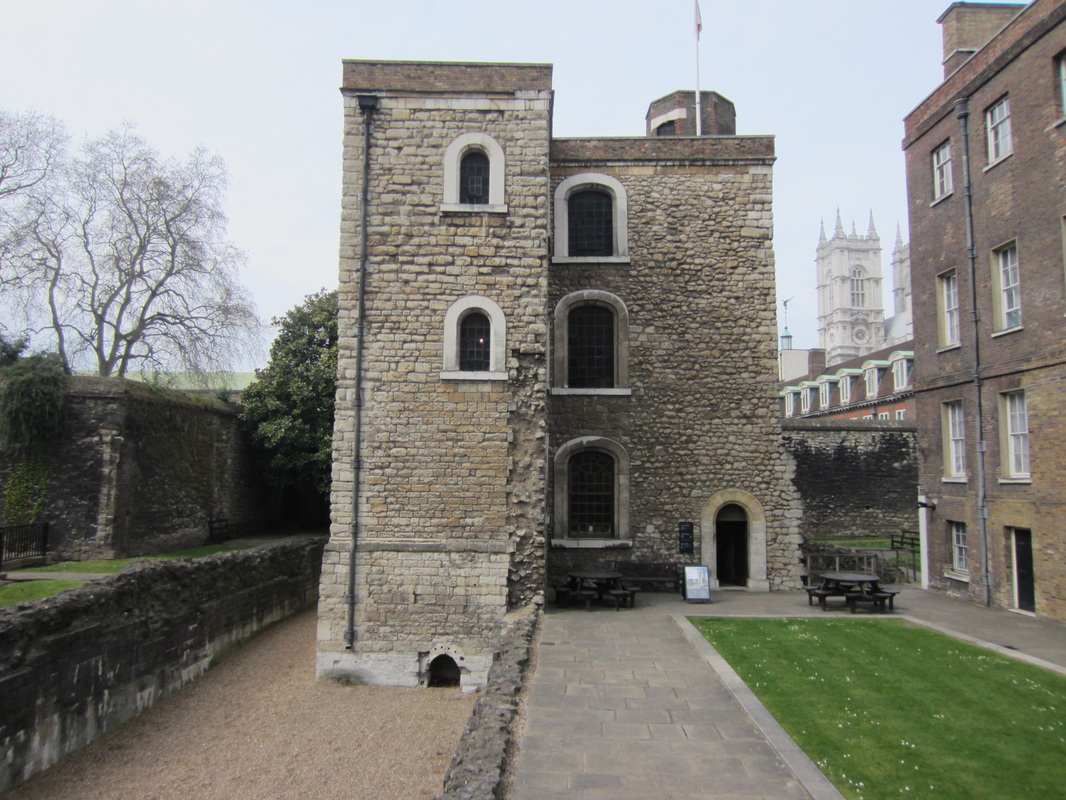
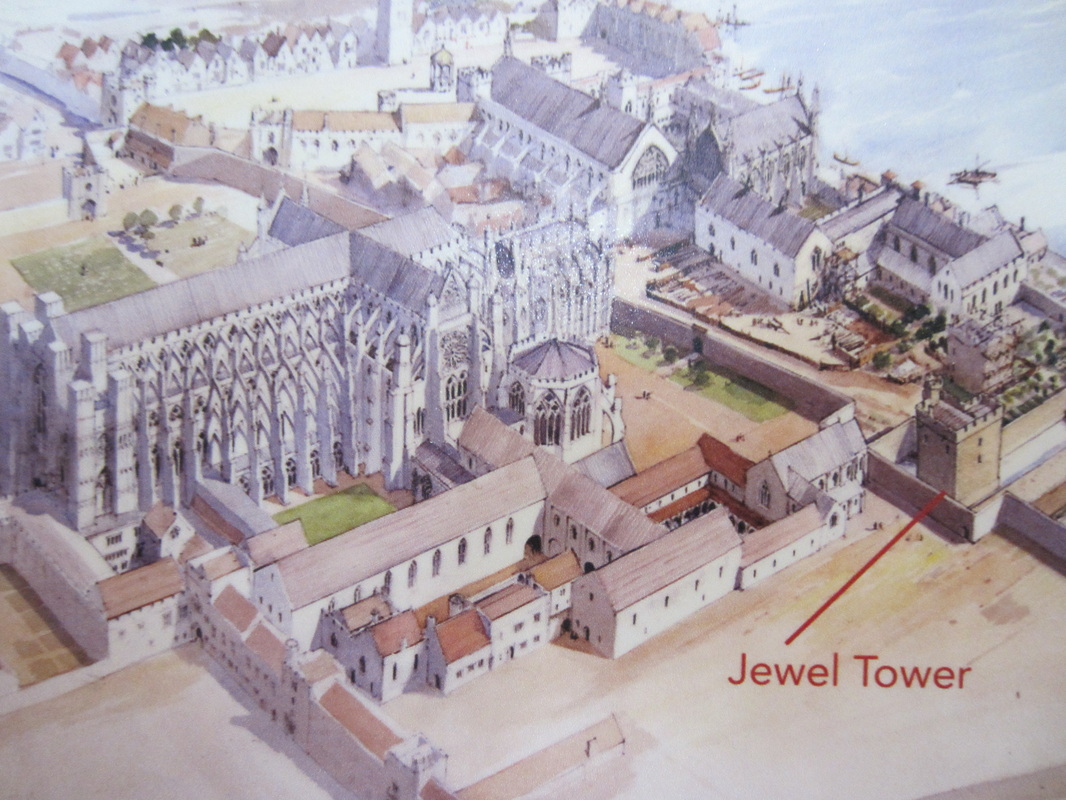
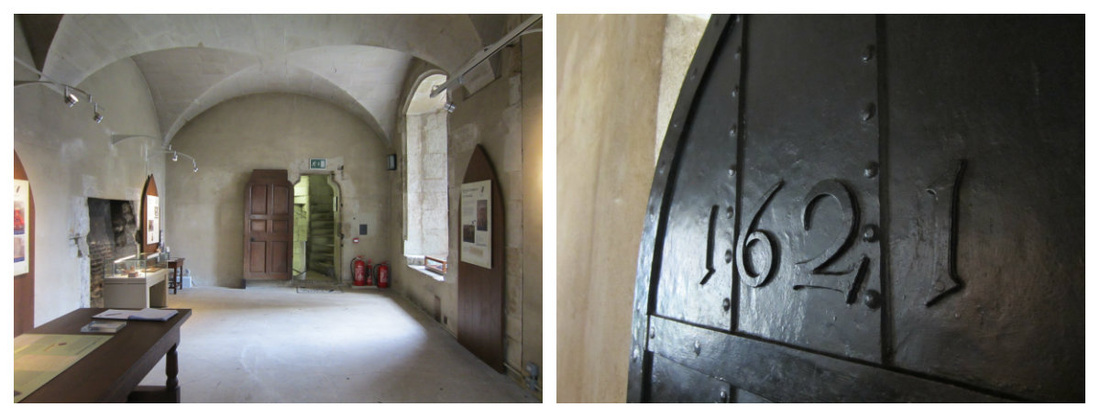
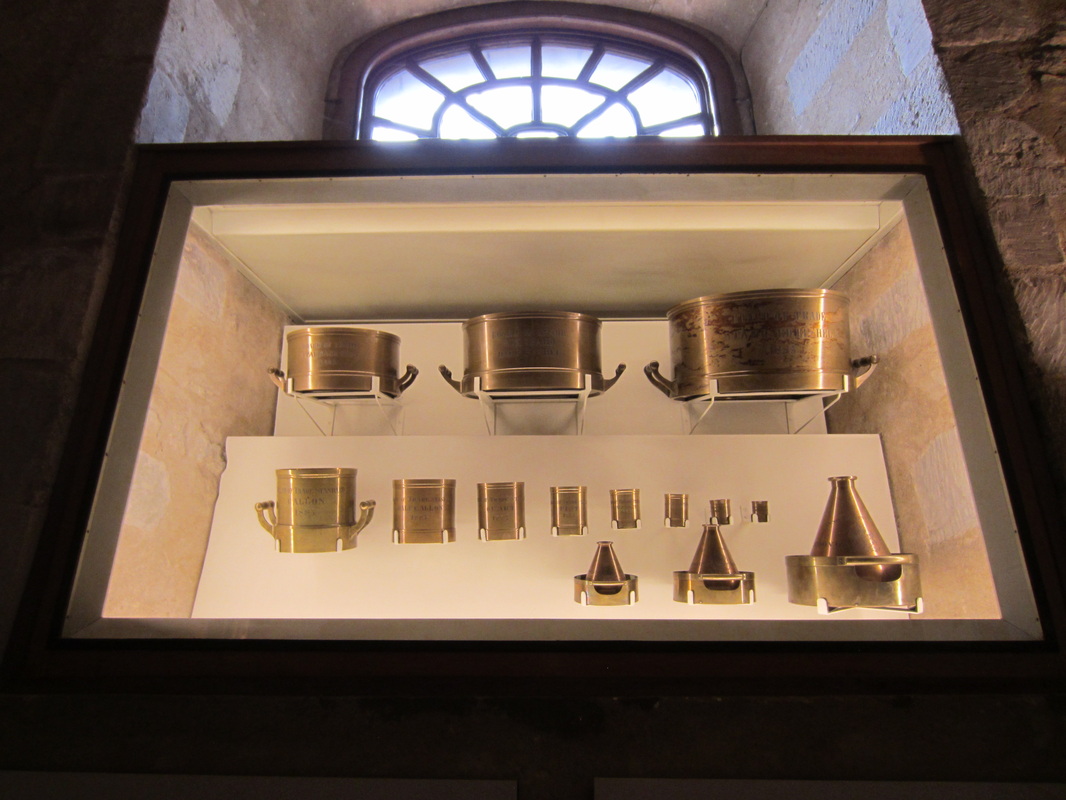
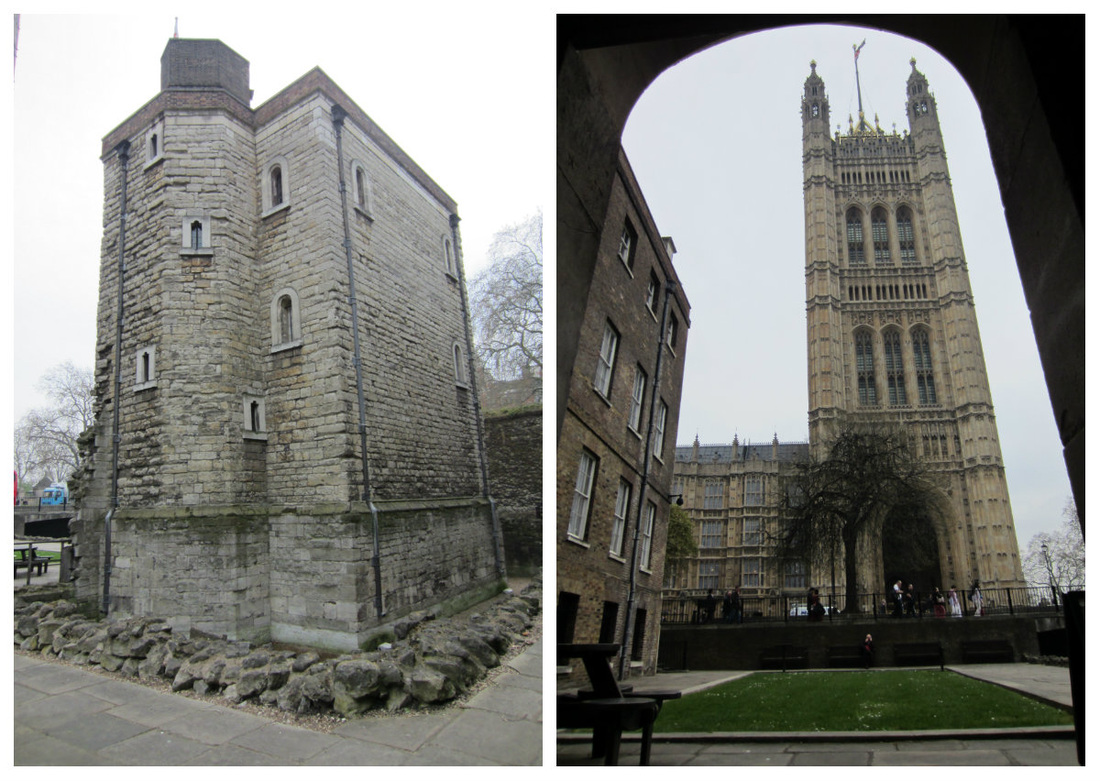
When I told my father the other day, that I'd been to The Jewel Tower in Westminster, he said "Aaahh ... the place you see on the news next to Parliament", which is quite true. College Green is where news reporters stand to interview MPs and do their straight to camera pieces with the impressive backdrop of Charles Barry's Houses of Parliament behind them. Quite often you can see the Jewel Tower creeping in to shot to the left, but largely spends its time in the shadow of its more famous, but much younger neighbour. Built in 1365 within the private palace of King Edward III, the Jewel Tower began life as a huge safe, a secure repository for the most valuable possessions of the Royal Household. The palace took up the whole area, now occupied by the Houses of Parliament and Parliament Square, with the Jewel Tower, situated in a secluded garden to the west and hemmed in by a moat, encroaching on land owned by Westminster Abbey. You can get a good idea of the layout of the area from the picture below. In the same way that the Queen today travels between her different homes, her predecessors would move between palaces, Royal manors and castles dotted around the country, or indeed visit friends and courtiers in their own houses. Such trips would have involved taking a huge retinue of people, but also items like plates, bowls, cups, goblets, tapestries and other decorative objects and things that might be needed. The job of the 'keeper of the Wardrobe in the Privy Palace of Westminster', sometimes known as 'keeper of jewels and gold and silver vessels' was based at the Jewel Tower and had the responsibility of making an inventory of everything that left, supervise the goods being loaded on to carts and barges and most importantly, to make sure that everything was returned. When Henry VIII became King and the Royal Household moved away from the Palace of Westminster, the Jewel Tower effectively became a big junk store. On his death in 1547, an inventory was taken of 'tholde Juelhous at Westminster' and was found to be full of old clothes, bed-hangings, linen, gaming tables and old children's toys and dolls. In the 17th Century, the robust ragstone building became a store for Parliamentary records and by the early 18th century it was decided in a meeting chaired by Sir Christopher Wren that the Jewel Tower needed some serious repairs, which also included protection from fire. The Jewel Tower managed to survive the fire of 1834 that burned down the Houses of Parliament, causing the loss of pretty much all of the old medieval palace. The new buildings, which you can still see today took about 26 years to complete and as we move in to the Victorian period, the the Jewel Tower gained its third use. A larger building was required for the storage of records, which Charles Barry accommodated in the design of the new Parliament and more specifically, the Victoria Tower, which still stands directly opposite the Jewel Tower today. In 1864 the Standards Department of the Board of Trade, sometimes known as the 'weights and measures' moved in to the Jewel Tower and set about trying to determine the definitive values of units of size, weight and volume. Basically, these are the people who decided exactly how much beer goes in to a pint of beer ... amongst other things. They remained there until 1938, and in fact on the ground floor of the building today they have a display case showing the different measures or 'standards'. The Jewel Tower was badly damaged by incendiary bombs during WWII, and the surrounding area has changed quite radically since then, meaning that the building itself, now an 'English Heritage' site, has been excavated, preserved and opened to the public. If you do visit, each of the three floors give you an insight in to the building's incredible 650 years of history, and next time you're watching the news, keep an eye out for it behind the reporters on Abingdon Street Gardens, otherwise known as College Green.
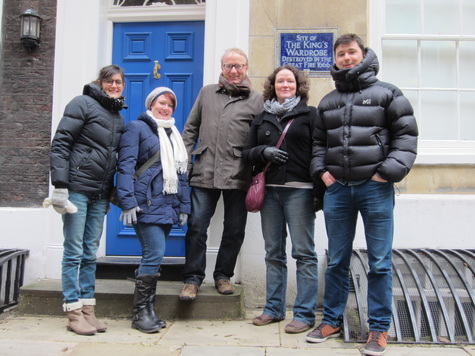
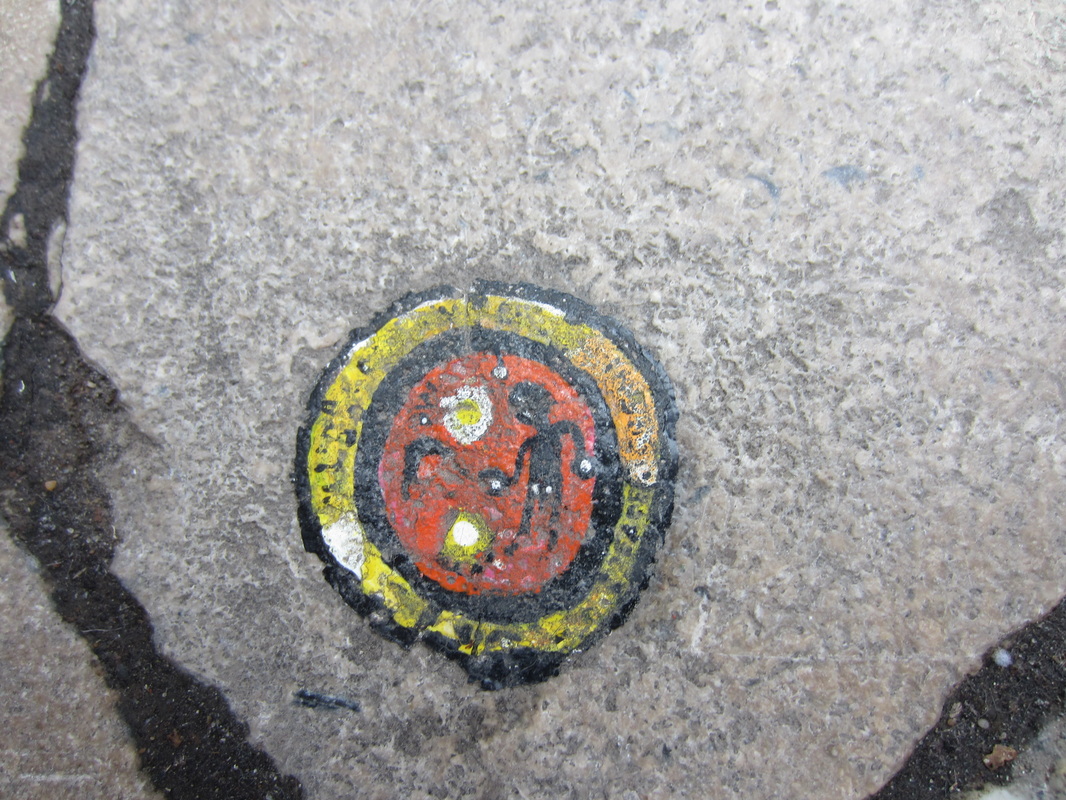
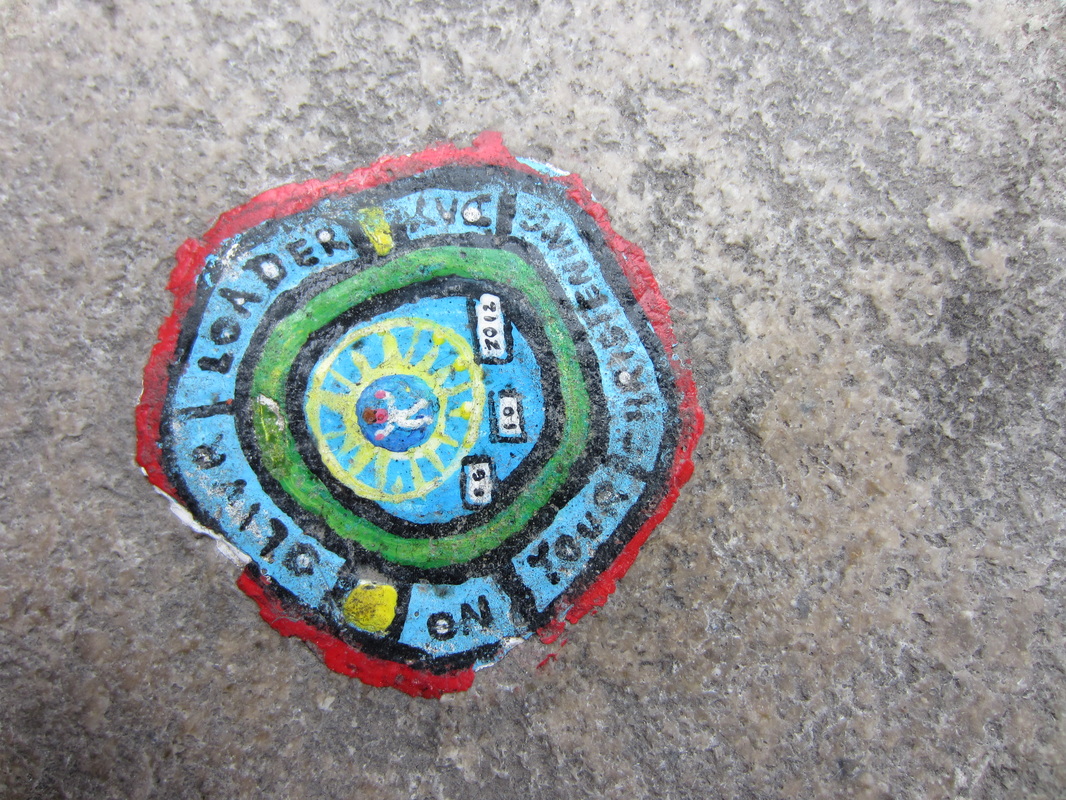
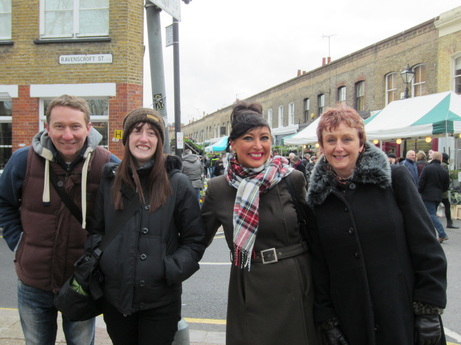
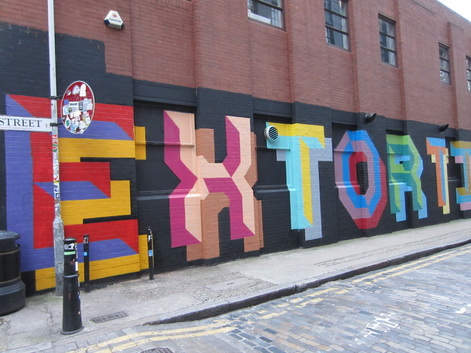
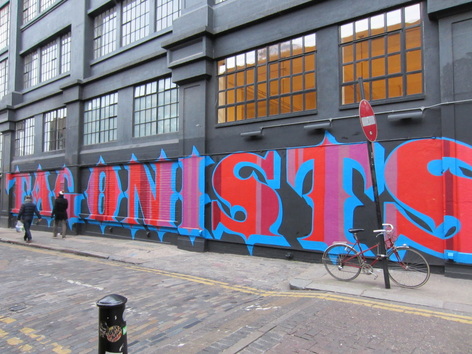
It snowed for most of the walk on Saturday morning, so as you can imagine, was pretty cold. Still, five people ventured out with me for the walk from Trafalgar Square to St Paul's, including Keith (from Canada) who came on the east London walk a year ago. He was joined by Natasha and Cerys and also Thomas and Charlyne from France. They're standing in a little courtyard just off Carter Lane called Wardrobe Place. As you might be able to see from the plaque behind them, it was the site of something called the King's Wardrobe which was destroyed during the Great Fire of London in 1666. The Wardrobe, originally housed within the Tower of London was where (as the name might suggest) King's kept their clothes, and also armour and treasure. It was moved in 1311 by Edward II to Lombard Street, then later to the site where the group are standing, by Edward III. It's currently a quiet little space populated by a few trees, offices, a hotel and enclosed largely by 18th century houses. If you have ever read any of Samuel Pepys' diary, the name might sound familiar, as 'The Wardrobe' was the generic name given to the surrounding area and one he mentioned quite frequently. As I mentioned, Keith came on the east London walk previously. One of the first things he said when he met me on Saturday morning was 'I don't suppose we'll see quite so much street art today'. He was quite correct in this assumption, but at the end of the walk, as we were standing outside St Paul's cathedral, I noticed two pieces of painted chewing gum on the floor, that unless I'm mistaken, look suspiciously like the work of Ben Wilson (who I've mentioned before). He's a prolific street artist, who (if you hadn't already guessed) uses pieces of discarded chewing gum as his canvas. The ones we saw outside St Paul's cathedral looked like this: Sunday was a nice compact group of Vix, Matt, Mary and Helen for the wander around the east end. Here they are at Columbia Road Flower Market, where I seem to quite often take group photos. After the walk (again, bitterly cold) I noticed that Eine has re-painted his two well known pieces on Ebor Street. In fact, they were so well known, I'd wager that people just call it the 'Anti & Pro' street (I know I do), as it was emblazoned with the words ANTI and PRO. It now looks like this: He kept one of the 'PRO's' which were on the Tea Building, so it now says PRO TAGONISTS.
Some Awards Most French - Thomas & Charlyne Most Canadian - Keith Most Welsh - Cerys Best moustache - No Winners Most likely to have eaten Kendal Mint Cake - Helen |
Bowl Of ChalkBowl Of Chalk based shenanigans. Archives
February 2026
Categories
All
|
RSS Feed