|
London has never been very good at standing still. Just when you think you’ve got a handle on it, the city quietly reinvents itself - opens a new museum, restores a Victorian market, launches a bus that turns into a boat, or decides you should now be able to channel your inner chimney sweep from Mary Poppins and walk on rooftops. Here are a few things coming up in 2026 that have caught my eye - and might just take your fancy too. Smithfield Market: a museum comeback story Coming to the historic Smithfield Market at the end of the year is the first phase of the new London Museum (formerly the Museum of London), which boldly claims it will “reconceive what a museum could be.” The mind boggles! This glorious Victorian market complex closed back in the 1990s, so it’s wonderful news that it’s being brought back to life as the new home for the museum’s vast collections, after it outgrew its London Wall site and closed in 2022. The General Market Building will open later this year, showcasing the museum’s permanent collections. The Poultry Market will follow in 2028, housing collection stores, learning spaces and major temporary exhibitions. Smithfield, it seems, is finally getting its second act. The 2026 French exchange In July 2025 France and England signed a historic loan agreement. In return for some treasures from across all four nations from the UK, including some chess pieces, the British Museum will receive the 70m long Bayeux Tapestry, which is essentially an embroidered cartoon from 1066 depicting the Battle of Hastings. The tapestry is due to go on show at the British Museum in the autumn and will be the first time that it has been shown in the UK since it was made, almost 1,000 years ago. It’s expected to be one of the museum’s most popular exhibitions ever, so prepare to queue! Is it a boat? Is it a bus? No it’s the duck tour! I’m all for encouraging people to step off the tube and explore London above ground, so I was delighted to hear that the amphibious ‘duck tours’ are officially returning to London this year. Fifteen years ago, these bright yellow bus-boats were a familiar sight, trundling through the streets before splashing into the Thames. They were forced to close in 2017 when their launch site was swallowed up by Thames Water’s super sewer works. Dates for the official launch are yet to be announced, but worth keeping a look out for! Talking about transport… Londoners love to complain about its transport network (that and the weather), but the city wouldn’t function without it – and there are some intriguing developments on the horizon for 2026. These include a trial of self-driving cabs across 20 London boroughs, the possible pedestrianisation of Oxford Circus, and the arrival of the new Piccadilly line trains. Expect walk-through, air-conditioned carriages, more capacity, double doorways, real-time digital displays and a smoother, more energy-efficient ride. No confirmed dates for any of the above yet - so try not to get too excited Grosvenor Square’s glow-up After more than 300 years of quietly minding its own business (and watching Mayfair strut past), Grosvenor Square is having a glow-up. And this is not just any makeover. This multi-million pound transformation marks only the fourth redesign since the 1720s - proof that even London’s grandest addresses like to reinvent themselves every few centuries. Now managed as a public garden on a not-for-profit basis by Grosvenor Property UK, the new Square is due to open this summer. Designed as a natural haven for wildlife and habitats, it blends historic design with modern eco-thinking, and beauty with biodiversity, creating a place where residents and visitors pause and reconnect with nature. I, for one, can’t wait to visit. V&A East Museum - opening April 2026 The long-awaited V&A East Museum opens its doors on 18 April 2026. More than a decade in the making, this new branch of the Victoria & Albert Museum will be a cornerstone of the East Bank cultural quarter in Stratford’s Queen Elizabeth Olympic Park. Conceived as part of the legacy of the 2012 Olympics, the project takes inspiration from South Kensington’s post-Great Exhibition boom and the South Bank after the Festival of Britain. The museum will feature two free permanent Why We Make galleries, displaying over 500 objects spanning global art, architecture, design, performance and fashion. Its first temporary exhibition, The Music is Black: A British Story, explores 125 years of Black music-making in Britain. The exhibition will feature Joan Armatrading’s childhood guitar, fashion worn by Little Simz and newly acquired photographs by Jennie Baptiste, Dennis Morris, Eddie Otchere and Sam White, as well as a partnership with BBC Music and East Bank. Up on the roof at Ally Pally Opened in 1873, Alexandra Palace, or Ally Pally, as it’s affectionately known - is getting a brand-new perspective in 2026. From 14 February, visitors will be able to take part in the Ally Pally Rooftop Adventure, the UK’s highest roof walk. Guided group and private tours will run at different times of day, from sunrise climbs to sunset and after-dark London lights experiences. It’s open to families, couples and anyone with a head for heights (or a taste for adventure). Booking slots are already available - and the views, I’m told, are rather spectacular. Fancy going a bit deeper?
If all this has whetted your appetite for more London stories, allow me a small plug. This year I’m launching the Curistorian Club - a series of intimate evening events celebrating London’s history and culture. Each Curistorian Club night takes place on the last Tuesday of the month, upstairs at The Devereux, a cracking pub tucked just off Fleet Street. I host the evenings and invite two London experts along, one with a historical angle, the other more cultural, to share their specialist knowledge or chat it through with me. The first two events are already sold out. You can find out about future events here! If you like your London stories told in person, in a pub, by people who really know their stuff - I’d love to see you there!
0 Comments
At the London Transport Museum.Beginning on Fri 21st November, the brilliant London Transport Museum has a brand new temporary exhibition, celebrating the centenary of the art deco style and the golden age of poster design on the London underground and public transport in and around London in the 1920s and 30s. I’m a big fan of art deco design, so jumped at the chance to get a sneak peak of ‘Art deco: the golden age of poster design’ in the London Transport Museum’s Global Poster Gallery. The term ‘Art Deco’ wasn’t actually coined until the 1960s, but at the time, was simply called ‘Moderne’ or ‘Style Moderne’ characterised by sleek lines, geometric patterns, sweeping curves, abstract shapes and a stylised form which was famously embraced by London Transport’s Chief Executive Frank Pick, to not only mastermind publicity posters (the main form of mass media at the time), but many of the design elements we’re still very familiar with today, including the famous London Underground roundel. The exhibition also looks at how the design influenced many of London’s art deco stations, designed by Charles Holden. As you might expect, there’s a wonderful array of posters on display (over 100), enticing Londoners of a hundred years ago to visit the theatre or London Zoo, to take a train to Southend or get out in to the country, as well as to attend sporting events like the tennis at Wimbledon.
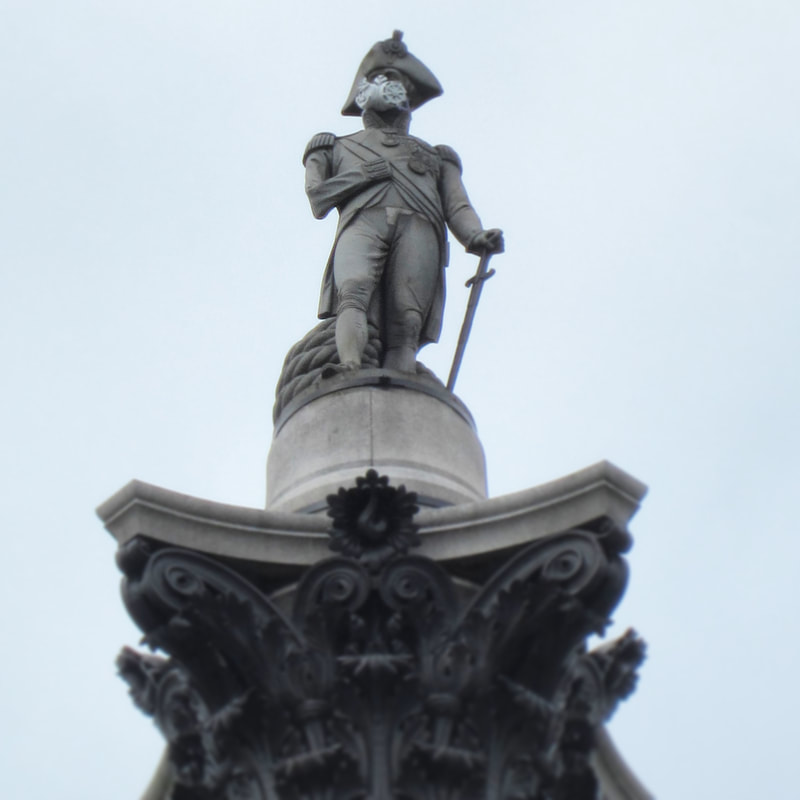
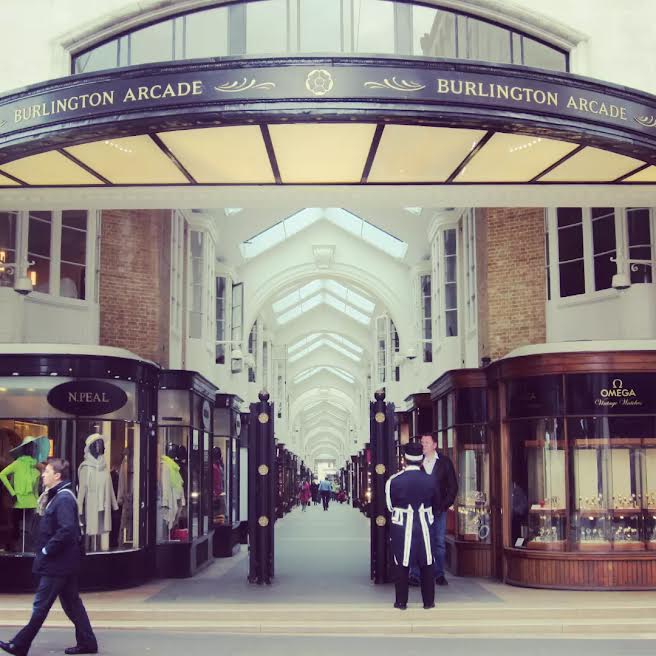
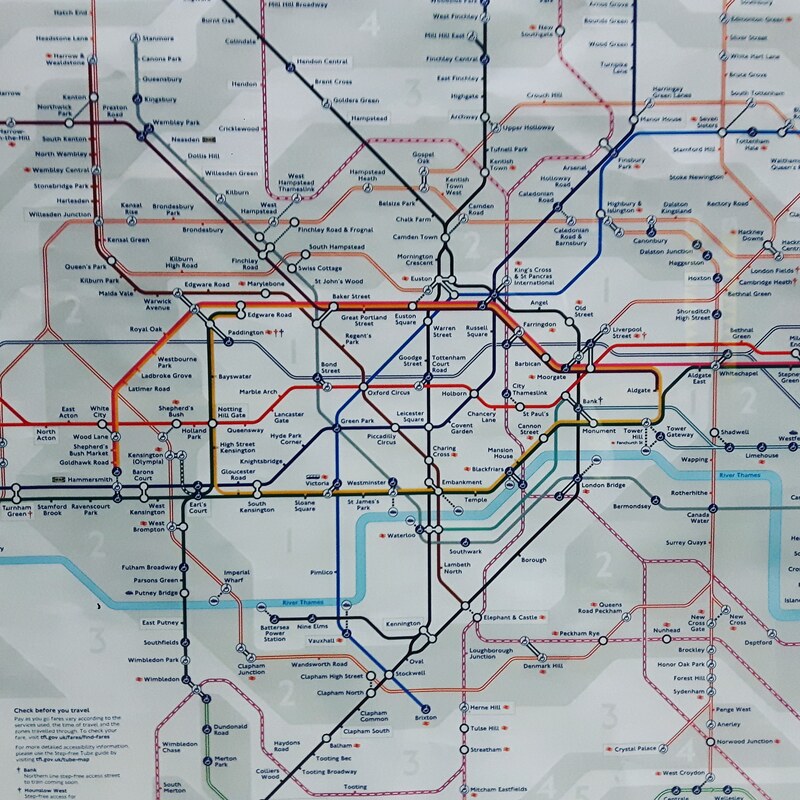
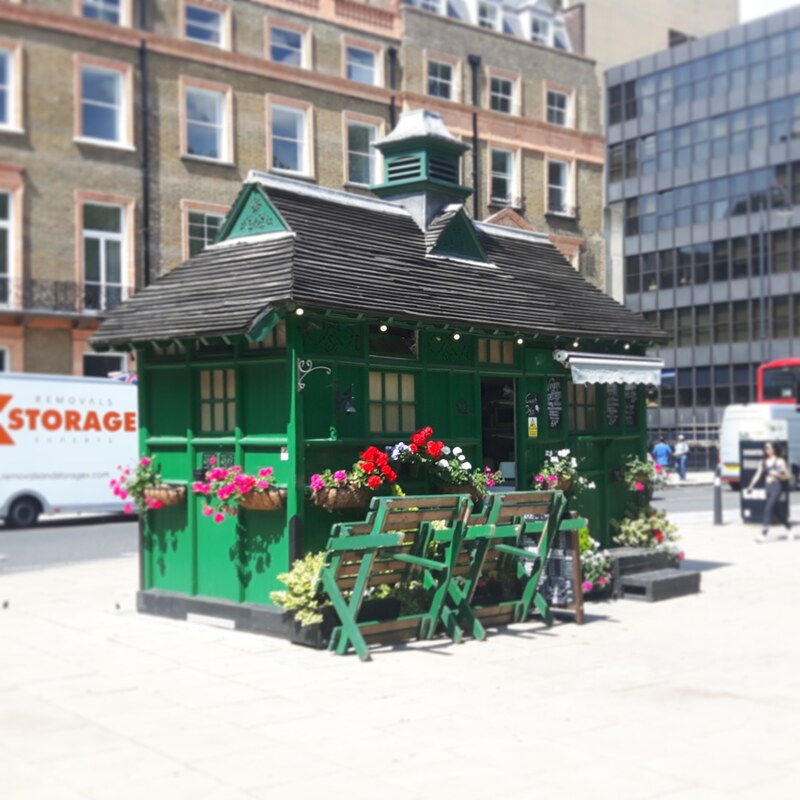
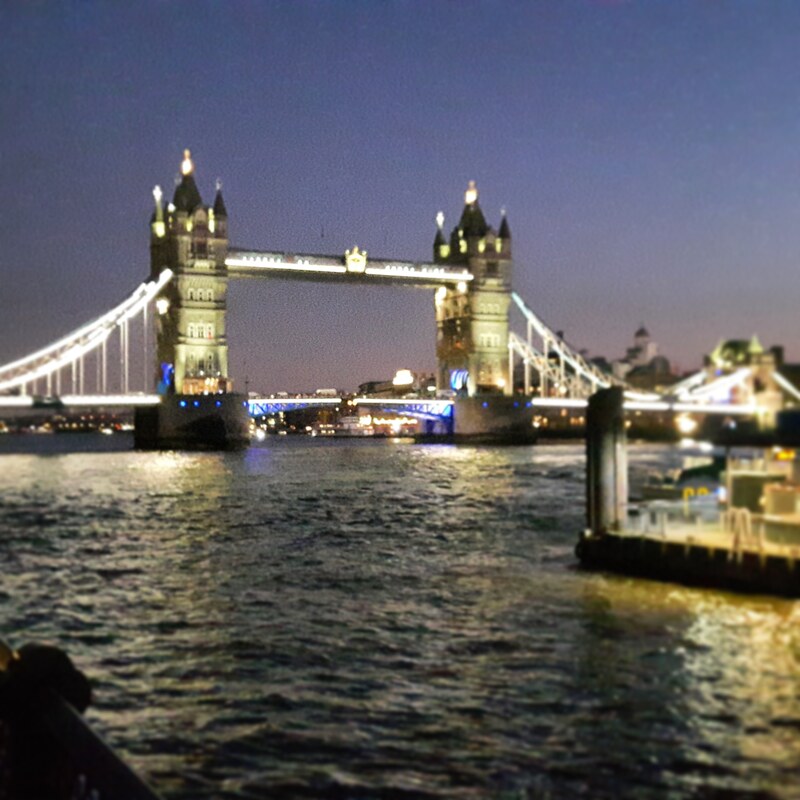
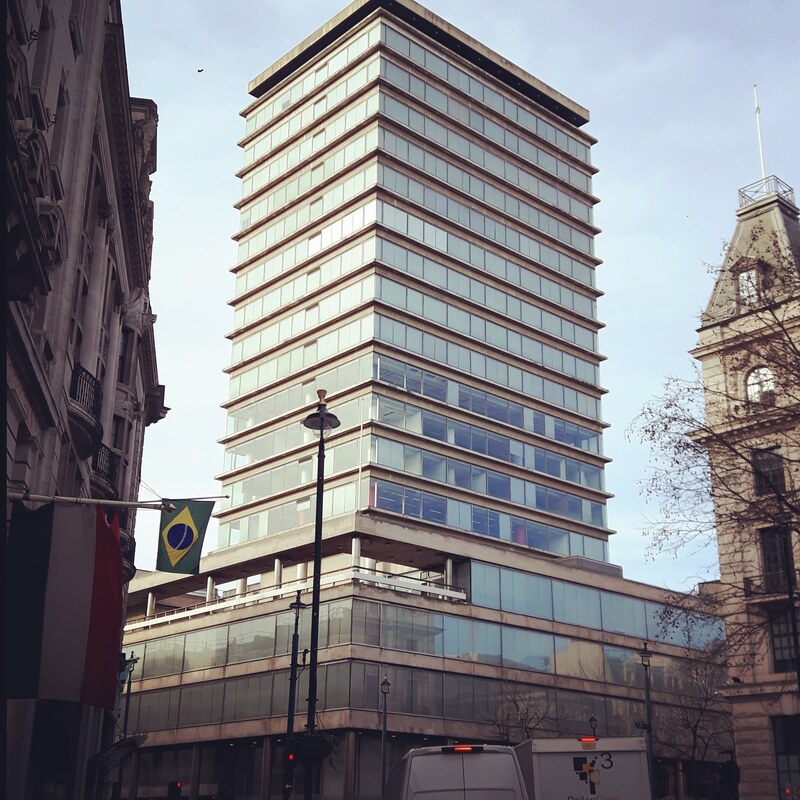
What really struck me about the exhibition is how blurred the line was between art and advertising, with pretty much all of the posters, signed by the artist or graphic designer that created it. Each poster stands alone as a great piece of art or graphic design, something that would not be out of place hanging on a wall in someone’s home; not something that could be said of most of the adverts I see on the tube today. If you’re planning a visit to the London Transport Museum, admission to the exhibition is included in the ticket price, and although adult tickets are £25 each, kids (up to the age of 18) go free. The museum is open daily from 10am – 6pm. When Horatio Nelson was killed at the Battle of Trafalgar in 1805 he was brought back to London to be given a massive send off. Normally, if sailors died at sea they were thrown over board. You didn’t carry dead people around on ships. For Nelson they made an exception and stuck him in a barrel of brandy, pickling him for the journey. Legend has it, that the crew that returned on his ship, the HMS Victory drank the brandy from the barrel whilst Nelson was in it. The Burlington Arcade is the longest covered shopping Street in the UK. It runs alongside Burlington House, originally built as a 17th country manor. When 19th early century resident Lord George Cavendish got annoyed with his neighbours throwing stuff over the wall in to his garden, he arranged for the whole street to be covered, opening it in 1819 as a super duper luxury shopping precinct, which it remains to this day. 55% of the London underground is over ground. In 1875 these green huts started popping up. They’re called Cabmen’s Shelters and provided the drivers of horse drawn Hackney Carriages somewhere to shelter from the wind, rain and cold. A stove inside meant they could keep warm and cook food and the bar around the edge was for tying horses two. Two decades later there were sixty-one in London, but today only thirteen survive and have been given listed building status. Some provide snacks to the public, whilst the others, cab drivers still sit in them. Strand runs from Trafalgar Square to Fleet Street. A lot of Londoners call it ‘The Strand’, but there is no prefix. The word ‘strand’ in most northern European languages means beach, and Strand runs parallel to the Thames, which until the 1860s came much closer. It literally means the beach or bank of the Thames. Construction on Tower Bridge began in 1887 and was completed in 1894. The now incredibly iconic design was chosen by way of competition, with the lucky winner being an architect called Horace Jones who also designed a number of London’s Victorian markets. It seems not much luck was involved as Jones was also one of the competition judges. He chose his own design. New Zealand House was completed in 1963. It was the first tower block to be built in central London after WW2 and was in fact built on the site of the Carlton Hotel which was bombed during the war. This modernist high rise was a highly contentious building at the time and towering over its neighbours should have given those that worked in New Zealand House amazing views across London from their desks, but unfortunately not. For nearly 50 years they’ve had to close the blinds every day. I believe the building was loosing too much heat through the myriad of glass, known as ‘thermal flow’, and ordering the blinds to be closed, although drastic, solved this problem. Just one of the many building projects in London gone wrong.
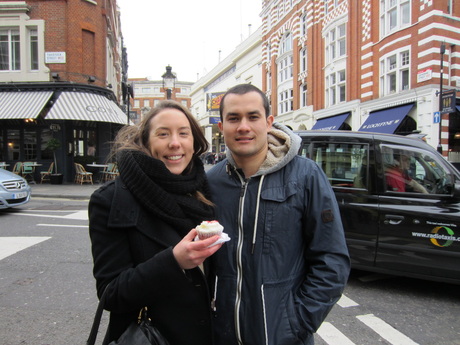
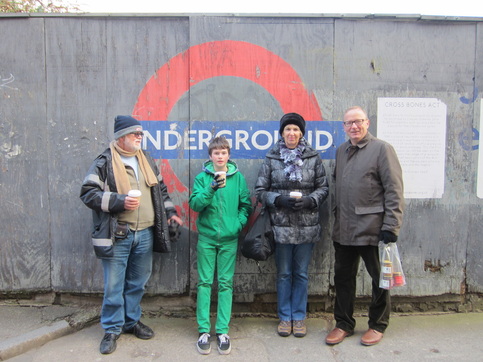
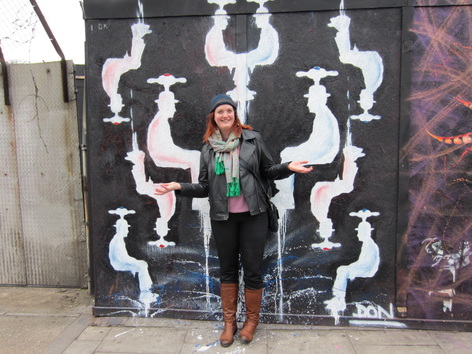
I'm not sure what the official number is that constitutes a 'group', but if it's one, then this weekend I had three groups for my guided tours around London. Saturday morning kicked off with Chris and Sasha who are over from Australia and joined me for the walk from Trafalgar Square to St Paul's. Covent Garden and Soho are often just referred to as 'Theatre Land' due to the density of theatres in the area. Just behind them on this photo is the Theatre Royal Drury Lane, which I think is officially the oldest (still used) theatre site in London. I say 'site' because although it opened in 1663, they're now on their fourth building. The most recent incarnation opened in 1812. We also managed to get a peak of Temple Church along the way, the 12th century church, built by the Templar Knights that nestles between Fleet Street and the Thames. In the afternoon, Veronica, Sam and Chris came along for the afternoon walk that starts at St Paul's cathedral. They were also joined by stalwart Keith from Canada, a veritable Bowl Of Chalk veteran, returning for his third walk with me. Here they are down in Borough, close to Cross Bones Graveyard, the unconsecrated ground where the Bishop of Winchester's Geese, otherwise known as prostitutes, were unceremoniously dumped, until it was covered over in 1853. Although 'The Friends of Cross Bones Graveyard' are campaigning to turn the land in to a memorial garden, the land is owned by TFL. Here they are standing in front of a rather large London Underground sign. London Underground is celebrating its 150th birthday this year. The first line to open was the Metropolitan Railway and the inaugural journey on the 9th January 1863 took passengers between Paddington and Farringdon, just over 4 miles. Today, 3 million passengers are ferried around 253 miles of track in London every day. Sunday was the mighty group of ... one; Erin from Australia, who although an individual in her own right (quite literally on that particular walk) also happens to be the sister of Robb, instigator of the coveted 'Best Moustache' award. Here she is on Hackney Road, standing in front of a piece by Paul Don Smith, who when not stenciling guys in bowler hats with a tap on their head, paints pretty natty portraits all over east London. Some Awards
Youngest - Sam Most Canadian (2nd week in a row) - Keith Best Moustache - No winners Most Australian - Erin, Sasha & Chris |
Bowl Of ChalkBowl Of Chalk based shenanigans. Archives
February 2026
Categories
All
|
RSS Feed